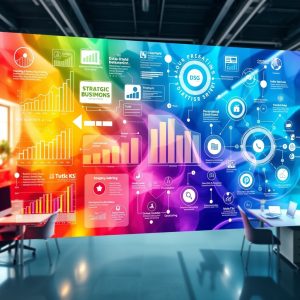
The Power of Predictive Analytics in Shaping a Resilient Remote Workforce and Sustainable Corporate Governance

In an era where digital transformation is not just an advantage but a necessity, organizations are increasingly turning to predictive analytics to navigate the complexities of a remote workforce. The shift to remote work has redefined traditional corporate structures, demanding innovative approaches to maintain productivity, engagement, and governance. Predictive analytics, with its ability to forecast trends and behaviors, is emerging as a cornerstone in building a resilient and sustainable remote workforce.
The Role of Predictive Analytics in Remote Workforce Management
Predictive analytics leverages historical data, machine learning algorithms, and statistical techniques to anticipate future outcomes. For remote workforce management, this means identifying patterns in employee performance, engagement levels, and potential burnout risks before they become critical issues. By analyzing data from communication tools, project management platforms, and employee feedback systems, organizations can proactively address challenges and optimize workflows.
For instance, predictive models can flag employees who may be at risk of disengagement by monitoring their interaction frequency, response times, and participation in virtual meetings. This allows managers to intervene early, offering support or adjusting workloads to prevent burnout. Similarly, analytics can identify high-performing teams and replicate their success factors across the organization, fostering a culture of continuous improvement.
Enhancing Corporate Governance Through Data-Driven Insights
Corporate governance in a remote setting requires a delicate balance between flexibility and control. Predictive analytics provides the insights needed to maintain this balance by offering transparency into operations, compliance, and risk management. For example, analytics can track adherence to company policies and regulatory requirements, ensuring that remote teams remain aligned with organizational goals and legal standards.
Moreover, predictive analytics can enhance decision-making at the executive level. By forecasting market trends, financial risks, and operational bottlenecks, leaders can make informed choices that drive sustainable growth. This data-driven approach not only strengthens governance but also builds trust among stakeholders, who can see the tangible benefits of strategic planning.
Sustainable Practices in a Remote Work Environment
The remote workforce model inherently supports sustainability by reducing the need for physical office spaces, commuting, and resource consumption. However, predictive analytics takes this a step further by optimizing energy use, minimizing waste, and promoting eco-friendly practices. For example, analytics can identify peak usage times for digital tools and cloud services, allowing organizations to schedule high-energy tasks during off-peak hours to reduce their carbon footprint.
Additionally, predictive analytics can support green investing by identifying opportunities for sustainable finance initiatives. By analyzing environmental, social, and governance (ESG) data, organizations can align their investments with sustainability goals, ensuring long-term profitability while contributing to a circular economy. This holistic approach not only benefits the planet but also enhances the organization’s reputation as a responsible corporate citizen.
Talent Upskilling and Workforce Literacy
A remote workforce thrives on continuous learning and adaptability. Predictive analytics plays a pivotal role in identifying skill gaps and recommending targeted upskilling programs. By analyzing employee performance data, organizations can pinpoint areas where additional training is needed, ensuring that their workforce remains competitive and future-ready.
For example, analytics can reveal trends in employee proficiency with digital tools, highlighting opportunities for training in areas like data analytics, cybersecurity, or collaborative platforms. This not only boosts workforce literacy but also empowers employees to take ownership of their professional development, fostering a culture of lifelong learning.
Collaborative Cybersecurity in a Decentralized World
With remote work comes the challenge of securing decentralized networks and protecting sensitive data. Predictive analytics enhances collaborative cybersecurity by identifying potential threats before they materialize. By monitoring network traffic, user behavior, and system vulnerabilities, analytics can detect anomalies and trigger automated responses to mitigate risks.
For instance, predictive models can flag unusual login attempts or data access patterns, allowing IT teams to investigate and respond swiftly. This proactive approach not only safeguards the organization’s digital assets but also fosters a culture of shared responsibility, where employees are encouraged to report suspicious activities and adhere to security protocols.
As organizations continue to embrace remote work, the integration of predictive analytics into their operations will be key to building resilience and sustainability. By harnessing the power of data, leaders can make informed decisions that drive productivity, enhance governance, and promote eco-friendly practices. The future of work is not just remote—it is intelligent, adaptive, and deeply rooted in the insights that predictive analytics provides. In this evolving landscape, those who leverage data effectively will not only survive but thrive, setting new standards for corporate excellence in a digital-first world.