The Synergy of Foldable Display Technology and Generative AI Hardware in Shaping the Future of Sustainable Consumer Electronics
The consumer electronics industry is undergoing a transformative shift, driven by the convergence of cutting-edge technologies and sustainable practices. Among the most groundbreaking advancements are foldable display technology and generative AI hardware, which are not only redefining user experiences but also paving the way for a more circular economy. These innovations are reshaping how devices are designed, manufactured, and recycled, offering a glimpse into a future where technology and sustainability coexist harmoniously.
The Evolution of Foldable Display Technology
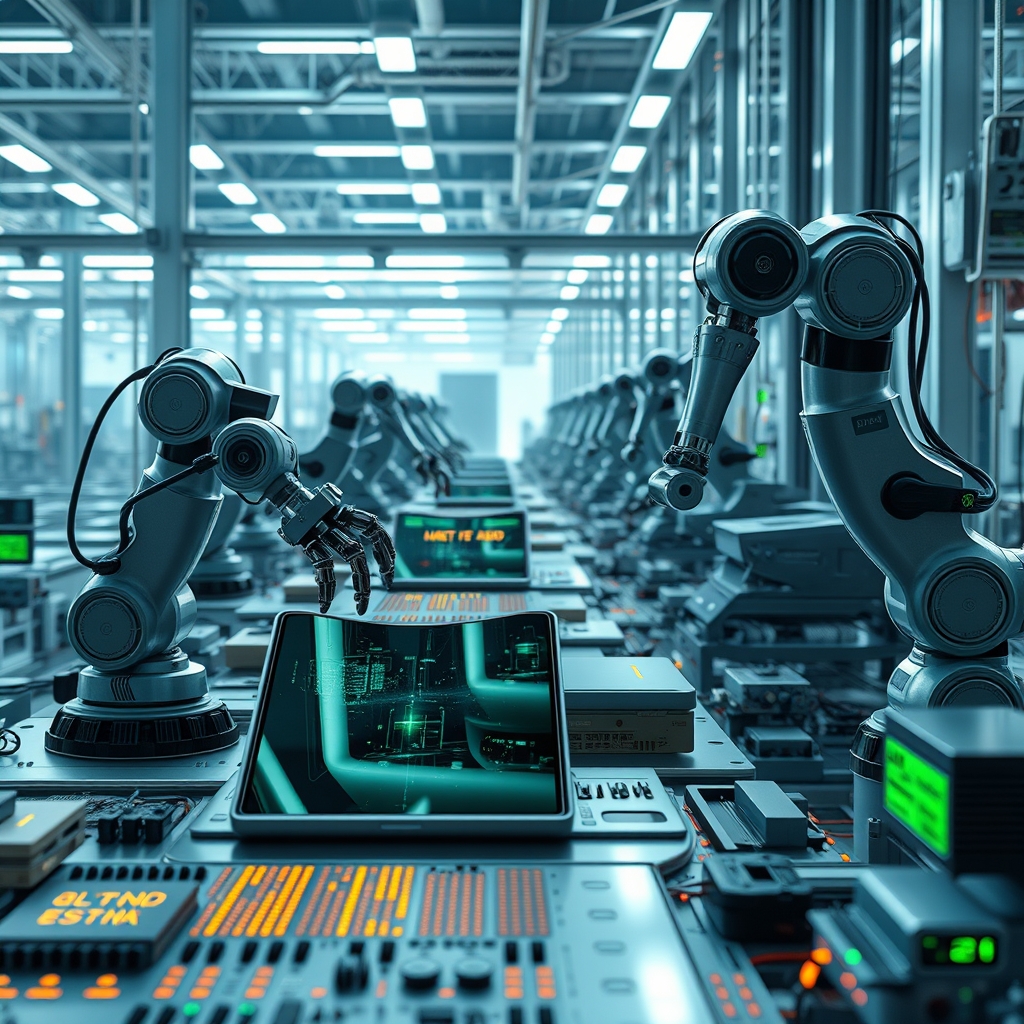
Foldable display technology has emerged as one of the most exciting developments in consumer electronics. By leveraging flexible OLED or AMOLED screens, manufacturers have created devices that can seamlessly transition between compact and expanded forms. This innovation addresses a long-standing challenge in the industry: the trade-off between portability and screen size. Smartphones, tablets, and even laptops equipped with foldable displays offer users the best of both worlds—compactness for mobility and expansive screens for productivity and entertainment.
However, the impact of foldable displays extends beyond mere convenience. These devices are inherently more durable, as their flexible materials are less prone to cracking or shattering compared to traditional glass screens. This durability translates into longer device lifespans, reducing the frequency of replacements and, consequently, electronic waste. Moreover, the modularity of foldable devices opens new avenues for repairability and upgradability, aligning with the principles of the circular economy.
Generative AI Hardware: The Engine of Smart Automation
While foldable displays are transforming the physical aspects of consumer electronics, generative AI hardware is revolutionizing their intelligence. Generative AI, powered by custom silicon chips and advanced neural networks, enables devices to perform tasks that were once thought impossible. From real-time language translation to personalized content creation, generative AI hardware is pushing the boundaries of what consumer electronics can achieve.
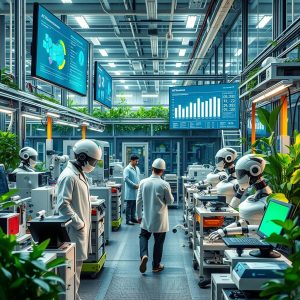
One of the most significant contributions of generative AI hardware is its role in smart factory automation. By integrating AI-driven systems into manufacturing processes, companies can optimize production lines, reduce energy consumption, and minimize waste. For instance, AI algorithms can predict equipment failures before they occur, allowing for proactive maintenance and reducing downtime. This level of automation not only enhances efficiency but also supports green manufacturing by lowering the carbon footprint of production facilities.
Bridging Foldable Displays and AI for Sustainable Innovation
The synergy between foldable display technology and generative AI hardware is creating unprecedented opportunities for sustainability in consumer electronics. For example, AI-powered design tools can optimize the layout of foldable devices to minimize material usage while maximizing durability. This approach reduces the environmental impact of manufacturing and aligns with the goals of the circular economy.
Additionally, generative AI can enhance the user experience of foldable devices by enabling adaptive interfaces that adjust based on the device’s form factor. Whether a user is interacting with a compact smartphone or an expanded tablet, AI can ensure a seamless and intuitive experience. This adaptability not only improves usability but also extends the device’s relevance over time, reducing the need for frequent upgrades.
The Role of Strategic Sourcing and Component Optimization
To fully realize the potential of foldable displays and generative AI hardware, companies must adopt strategic sourcing and component optimization practices. The supply chain for these technologies is complex, involving rare materials, specialized manufacturing processes, and global logistics. By leveraging AI-driven supply chain optimization, companies can identify the most sustainable and cost-effective sources for components, reducing their environmental impact while maintaining profitability.
For instance, AI can analyze data from suppliers to assess their sustainability practices, ensuring that materials are sourced ethically and responsibly. This level of transparency is crucial for building consumer trust and meeting the growing demand for eco-friendly products. Furthermore, AI can optimize inventory management, reducing overproduction and minimizing waste in the supply chain.
Electronic Waste Management: A Critical Challenge
Despite the advancements in foldable display technology and generative AI hardware, electronic waste remains a pressing issue for the consumer electronics industry. The rapid pace of innovation often leads to shorter product lifecycles, resulting in a growing mountain of discarded devices. To address this challenge, companies must prioritize electronic waste management by designing products that are easier to recycle, refurbish, or repurpose.
Generative AI can play a pivotal role in this effort by enabling smarter recycling processes. For example, AI-powered robots can disassemble devices with precision, separating valuable materials for reuse. Additionally, AI can analyze the composition of electronic waste to identify new opportunities for material recovery, further reducing the environmental impact of discarded devices. By integrating these technologies into their operations, companies can create a closed-loop system where materials are continuously reused, aligning with the principles of the circular economy.
As the consumer electronics industry continues to evolve, the integration of foldable display technology and generative AI hardware will be key to driving sustainable innovation. These technologies are not only enhancing the functionality and user experience of devices but also enabling companies to adopt more eco-friendly practices. By embracing strategic sourcing, smart factory automation, and electronic waste management, the industry can move toward a future where technology and sustainability go hand in hand. The journey is just beginning, and the possibilities are as limitless as the imagination of the innovators leading the charge.