
Electronic Waste Management in the Age of AI: How Smart Factories and Circular Economy Principles Are Transforming Device Lifecycle Sustainability
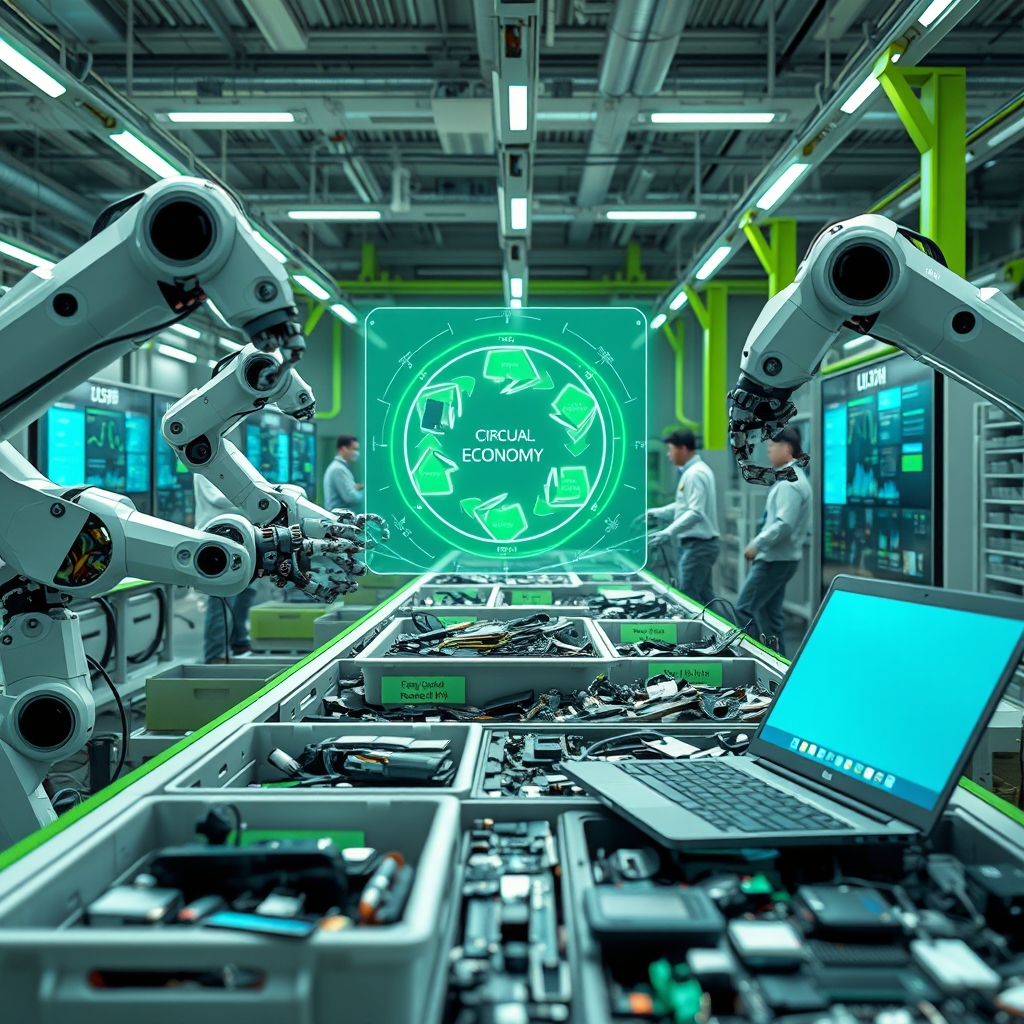
The rapid evolution of consumer electronics has brought unprecedented convenience and innovation, but it has also accelerated the growth of electronic waste (e-waste), one of the fastest-growing waste streams globally. With over 50 million tons of e-waste generated annually, the industry faces a critical challenge: how to balance technological advancement with environmental responsibility. The answer lies in the convergence of Artificial Intelligence Integration, Smart Factory Automation, and Circular Economy principles, which are redefining how devices are designed, manufactured, and recycled.
The E-Waste Crisis: A Growing Global Challenge
E-waste encompasses discarded electronic devices, from smartphones and laptops to household appliances and industrial equipment. Unlike other forms of waste, e-waste contains hazardous materials such as lead, mercury, and cadmium, which pose severe risks to human health and the environment if not managed properly. Additionally, valuable resources like gold, silver, and rare earth metals are lost when devices are improperly disposed of, further straining global supply chains.
The traditional linear model of “take, make, dispose” is no longer sustainable. Instead, industries are shifting toward a circular approach, where products are designed for longevity, repairability, and recyclability. This transition is being accelerated by advancements in AI-driven Supply Chain Optimization and Green Manufacturing, which enable more efficient resource utilization and waste reduction.
AI and Smart Factories: The Backbone of Sustainable E-Waste Management
Smart factories, powered by Generative AI Hardware and Device Automation, are revolutionizing e-waste management by introducing predictive analytics, robotic sorting, and automated dismantling processes. AI algorithms analyze vast datasets to optimize recycling workflows, identifying the most efficient ways to extract valuable materials from discarded devices. For example, AI-powered robotic arms can disassemble smartphones with precision, separating components like batteries, screens, and circuit boards for reuse or recycling.
Moreover, AI enhances Component Sourcing by tracking the lifecycle of materials, ensuring that recycled components meet quality standards for reintegration into new products. This not only reduces the demand for virgin resources but also lowers production costs, making sustainable practices economically viable. Companies like Apple and Samsung are already leveraging AI to improve their recycling programs, recovering millions of pounds of materials annually.
The Role of Custom Silicon Chips in Reducing E-Waste
One of the most promising developments in sustainable electronics is the rise of Custom Silicon Chips. Unlike generic processors, custom chips are designed for specific applications, improving energy efficiency and performance while reducing the need for frequent upgrades. This extends the lifespan of devices, delaying their entry into the e-waste stream. For instance, Apple’s M-series chips and Google’s Tensor processors are optimized for their respective ecosystems, reducing power consumption and enhancing durability.
By integrating custom silicon into devices, manufacturers can also standardize components, making repairs and refurbishments more accessible. This aligns with the Refurbished Smartphone Market trend, where AI-driven diagnostics and strategic sourcing enable the resale of millions of pre-owned devices annually. The result is a significant reduction in e-waste and a more sustainable consumer electronics ecosystem.
Circular Economy Strategies: From Design to Disposal
The circular economy model emphasizes the importance of designing products with their end-of-life in mind. This involves using Sustainable Packaging, modular designs, and biodegradable materials to minimize environmental impact. For example, companies like Dell and HP have adopted ocean-bound plastics in their packaging, while Fairphone’s modular smartphones allow users to replace individual components instead of discarding the entire device.
AI also plays a crucial role in Electronic Waste Management by enabling real-time tracking of devices throughout their lifecycle. Blockchain technology, combined with AI, ensures transparency in the recycling process, preventing illegal dumping and ensuring that e-waste is processed ethically. Additionally, Hardware as a Service (HaaS) models are emerging, where consumers lease devices instead of owning them, shifting the responsibility of disposal back to manufacturers.
Global Value Chains and Strategic Sourcing for Sustainability
The global electronics industry relies on complex Global Value Chains, where components are sourced from multiple regions before assembly. However, this interconnectedness can lead to inefficiencies and increased e-waste if not managed properly. AI-driven Strategic Sourcing helps companies identify suppliers that adhere to sustainable practices, reducing the environmental footprint of their supply chains.
For instance, AI can analyze supplier data to assess their compliance with environmental regulations, ensuring that materials are ethically sourced and recycled. This not only mitigates risks but also enhances brand reputation, as consumers increasingly demand transparency and sustainability from electronics manufacturers.
As the consumer electronics industry continues to evolve, the integration of AI, smart factory automation, and circular economy principles offers a path toward a more sustainable future. By rethinking how devices are designed, manufactured, and recycled, companies can reduce e-waste, conserve resources, and create a closed-loop system where nothing is wasted. The shift is not just about compliance or corporate responsibility—it’s about reimagining the entire lifecycle of electronics to ensure that innovation and sustainability go hand in hand. The tools and technologies exist; what’s needed now is the collective will to implement them at scale, transforming the way we interact with technology and the planet.



