The Future of Consumer Electronics: How Smart Factory Automation and Sustainable Packaging Are Driving the Circular Economy
The consumer electronics industry is undergoing a profound transformation, driven by the urgent need for sustainability and the rapid advancement of technology. At the heart of this shift is the integration of smart factory automation and innovative sustainable packaging solutions, which are not only optimizing production processes but also redefining the entire lifecycle of electronic devices. As the world grapples with the environmental impact of e-waste, these advancements are paving the way for a circular economy that prioritizes resource efficiency, waste reduction, and long-term sustainability.
The Role of Smart Factory Automation in Sustainable Manufacturing
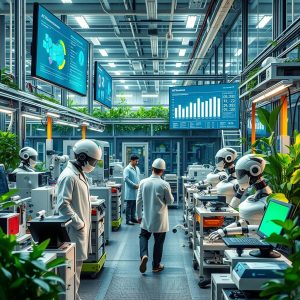
Smart factory automation represents a paradigm shift in how consumer electronics are designed, produced, and distributed. By leveraging artificial intelligence (AI), Internet of Things (IoT) devices, and advanced robotics, manufacturers are creating highly efficient, flexible, and adaptive production environments. These smart factories are capable of real-time monitoring, predictive maintenance, and autonomous decision-making, which significantly reduces energy consumption, minimizes waste, and enhances overall productivity.
One of the most compelling aspects of smart factory automation is its ability to facilitate the circular economy. Traditional linear manufacturing models—where products are made, used, and discarded—are being replaced by closed-loop systems that emphasize reuse, refurbishment, and recycling. AI-driven automation enables manufacturers to track the lifecycle of each component, ensuring that materials are recovered and reused wherever possible. This not only reduces the demand for raw materials but also lowers the environmental footprint of production.
AI and IoT: The Backbone of Smart Factories
At the core of smart factory automation are AI and IoT technologies, which work in tandem to create a seamless, data-driven manufacturing ecosystem. IoT sensors collect vast amounts of data from every stage of the production process, from component sourcing to final assembly. AI algorithms then analyze this data to identify inefficiencies, predict equipment failures, and optimize workflows. For example, AI can determine the most energy-efficient settings for machinery or identify opportunities to reduce material waste during production.
Moreover, AI-powered automation extends beyond the factory floor. It plays a crucial role in supply chain optimization, enabling manufacturers to source components more sustainably and reduce transportation emissions. By integrating AI with strategic sourcing practices, companies can identify suppliers that adhere to green manufacturing principles, ensuring that every link in the supply chain aligns with circular economy goals.
Sustainable Packaging: A Critical Component of the Circular Economy
While smart factory automation addresses the production side of sustainability, sustainable packaging is equally vital in reducing the environmental impact of consumer electronics. Traditional packaging materials, such as plastics and non-recyclable composites, contribute significantly to global waste. In response, the industry is embracing innovative packaging solutions that prioritize recyclability, biodegradability, and minimalism.
Innovations in Eco-Friendly Packaging
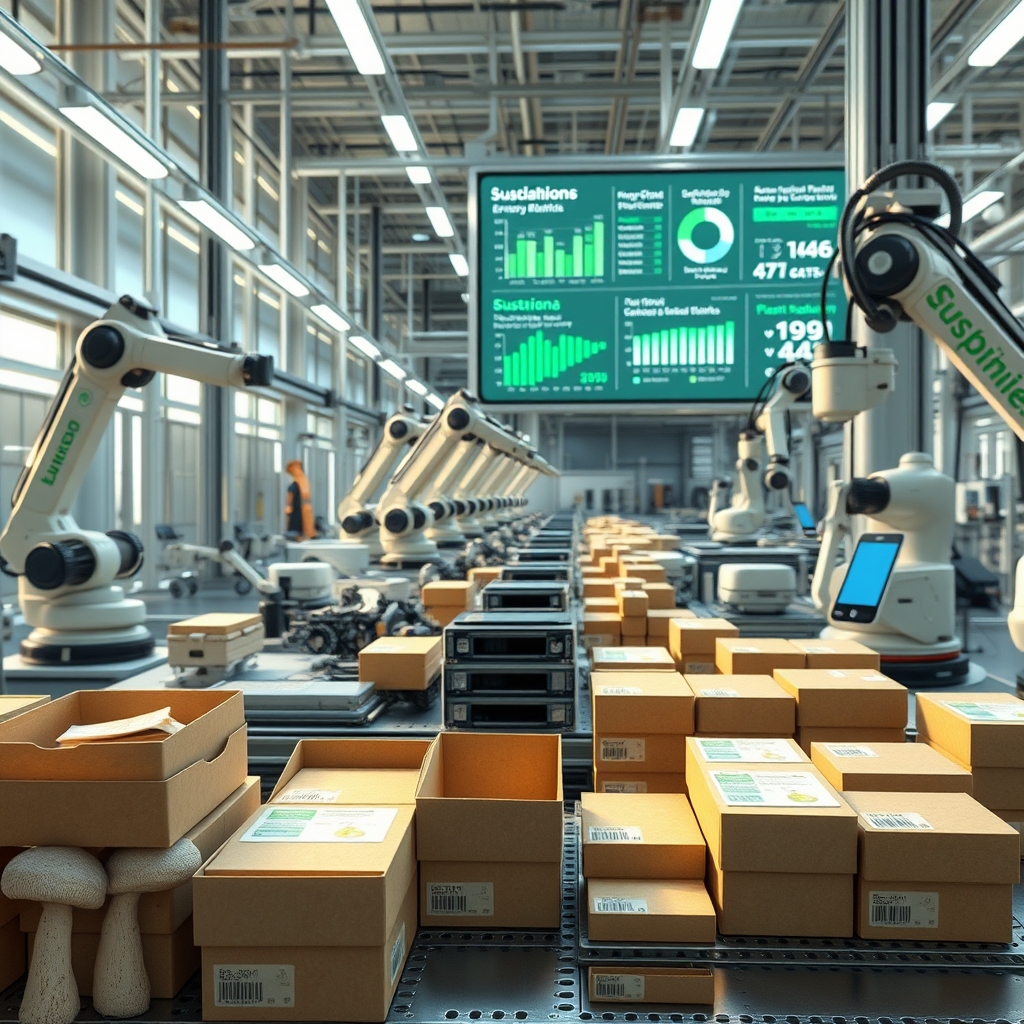
One of the most promising trends in sustainable packaging is the use of biodegradable and compostable materials. For instance, mushroom-based packaging, derived from mycelium, offers a renewable and compostable alternative to Styrofoam. Similarly, plant-based plastics, such as those made from cornstarch or sugarcane, are gaining traction as viable substitutes for traditional petroleum-based plastics. These materials not only reduce waste but also lower the carbon footprint of packaging production.
Another key innovation is the adoption of minimalist packaging designs. By eliminating unnecessary layers, reducing the size of packaging, and using fewer materials, manufacturers can significantly cut down on waste. Companies like Apple have already made strides in this area by introducing packaging that uses 100% recycled and renewable materials, as well as designs that require less energy to produce and transport.
The Role of AI in Sustainable Packaging Design
AI is also playing a transformative role in sustainable packaging. Machine learning algorithms can analyze vast datasets to identify the most eco-friendly materials and designs for specific products. For example, AI can simulate the environmental impact of different packaging options, helping manufacturers choose the most sustainable solution. Additionally, AI-driven automation can optimize packaging processes, ensuring that materials are used efficiently and waste is minimized during production.
Furthermore, AI enables better tracking and management of packaging waste. By integrating AI with waste management systems, companies can monitor the recycling and disposal of packaging materials, ensuring that they are properly processed and reused. This closed-loop approach is essential for creating a truly circular economy in consumer electronics.
The Synergy Between Smart Factories and Sustainable Packaging
The integration of smart factory automation and sustainable packaging creates a powerful synergy that accelerates the transition toward a circular economy. Smart factories produce electronics more efficiently and sustainably, while sustainable packaging ensures that these products are delivered to consumers with minimal environmental impact. Together, these innovations reduce waste, conserve resources, and lower the carbon footprint of the entire industry.
For example, a smart factory equipped with AI-driven automation can produce a smartphone using recycled materials and energy-efficient processes. The same factory can then package the device in biodegradable materials, further reducing its environmental impact. When the smartphone reaches the end of its lifecycle, AI-powered systems can facilitate its refurbishment or recycling, ensuring that valuable materials are recovered and reused. This holistic approach not only benefits the environment but also creates new economic opportunities in the refurbished smartphone market and other circular economy sectors.
As the consumer electronics industry continues to evolve, the convergence of smart factory automation and sustainable packaging will be instrumental in shaping a more sustainable future. These innovations are not just about reducing waste or improving efficiency—they represent a fundamental shift in how we think about production, consumption, and the lifecycle of electronic devices. By embracing these technologies, manufacturers can lead the way in creating a circular economy that balances innovation with environmental responsibility, ensuring that the benefits of technology are enjoyed by both people and the planet for generations to come.