The Intersection of Green Manufacturing and AI: Pioneering Sustainable Innovation in Consumer Electronics
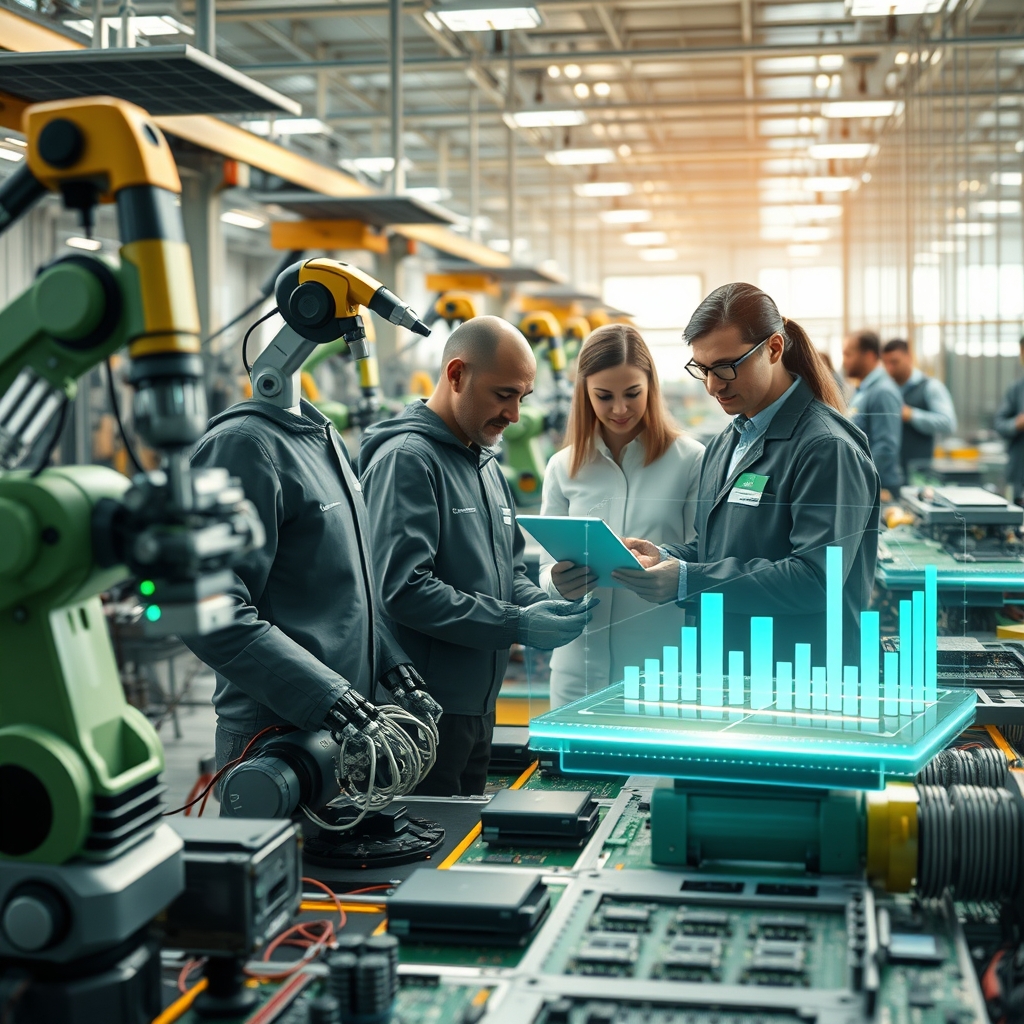
The consumer electronics industry stands at a crossroads, where the relentless pursuit of innovation collides with the urgent need for sustainability. As global awareness of environmental challenges grows, manufacturers are increasingly turning to green manufacturing and artificial intelligence integration to redefine their operations. This synergy is not just a trend but a fundamental shift toward a more responsible and efficient future, where technology and ecology coexist harmoniously.
The Evolution of Green Manufacturing
Green manufacturing is no longer a niche concept but a cornerstone of modern industrial practices. It encompasses a broad spectrum of strategies aimed at reducing environmental impact, from minimizing waste and energy consumption to adopting renewable resources. In the consumer electronics sector, this approach has gained traction as companies seek to align with regulatory demands and consumer expectations for eco-friendly products.
One of the most significant advancements in green manufacturing is the adoption of circular economy principles. Unlike the traditional linear model of “take, make, dispose,” the circular economy emphasizes longevity, reuse, and recycling. For instance, manufacturers are now designing products with modular components, enabling easier repairs and upgrades. This not only extends the lifespan of devices but also reduces electronic waste, a growing concern in an era of rapid technological obsolescence.
AI as a Catalyst for Sustainable Practices
Artificial intelligence is playing a pivotal role in accelerating the adoption of green manufacturing. By leveraging AI-driven analytics, companies can optimize their supply chain optimization processes, reducing inefficiencies and minimizing their carbon footprint. For example, AI algorithms can predict demand with remarkable accuracy, ensuring that production aligns closely with actual market needs. This reduces overproduction, a major source of waste in the electronics industry.
Moreover, AI is transforming smart factory automation, where machines equipped with sensors and machine learning capabilities operate with unprecedented precision. These smart factories can dynamically adjust energy usage based on real-time data, significantly lowering power consumption. Additionally, AI-powered quality control systems detect defects early in the production process, reducing material waste and improving overall efficiency.
Sustainable Packaging and Logistics
Beyond the factory floor, green manufacturing extends to packaging and logistics. The consumer electronics industry has long been criticized for its excessive use of plastic and non-recyclable materials. However, companies are now exploring innovative solutions such as sustainable packaging made from biodegradable or compostable materials. AI plays a role here as well, optimizing packaging designs to minimize material use while ensuring product safety during transit.
Logistics, another critical aspect of the global value chain, is also undergoing a green transformation. AI-driven route optimization tools help companies reduce fuel consumption and emissions by identifying the most efficient delivery paths. Furthermore, the rise of hardware as a service (HaaS) models is encouraging manufacturers to take responsibility for the entire lifecycle of their products, including reverse logistics for recycling and refurbishment.
The Refurbished Smartphone Market: A Case Study in Circularity
The refurbished smartphone market exemplifies the principles of the circular economy in action. As consumers increasingly opt for pre-owned devices, manufacturers and retailers are investing in refurbishment processes that restore used smartphones to like-new condition. AI enhances these processes by automating diagnostics and repairs, ensuring that refurbished devices meet high-quality standards. This not only reduces electronic waste but also makes technology more accessible to budget-conscious consumers.
Challenges and Opportunities Ahead
While the integration of AI and green manufacturing presents immense opportunities, it also comes with challenges. One of the primary hurdles is the initial cost of implementing advanced technologies. Smaller manufacturers may struggle to invest in AI-driven systems or sustainable infrastructure. However, as these technologies become more widespread, economies of scale are likely to drive down costs, making them accessible to a broader range of companies.
Another challenge lies in the complexity of component sourcing. The consumer electronics industry relies on a vast network of suppliers, many of whom may not adhere to sustainable practices. To address this, companies are adopting strategic sourcing strategies, prioritizing suppliers that share their commitment to environmental responsibility. AI can assist in this process by analyzing supplier data and identifying those that meet sustainability criteria.
The Role of Generative AI Hardware
The emergence of generative AI hardware is poised to further revolutionize green manufacturing. These specialized chips are designed to handle the computational demands of AI applications more efficiently, reducing energy consumption compared to traditional hardware. As generative AI becomes more integrated into manufacturing processes, it will enable even greater optimizations in resource use and waste reduction.
The journey toward sustainable consumer electronics is not without its obstacles, but the potential rewards are immense. By embracing green manufacturing and AI, the industry can reduce its environmental impact while driving innovation and efficiency. The shift is already underway, with companies large and small recognizing that sustainability is not just a moral imperative but a competitive advantage. As technology continues to evolve, the possibilities for creating a greener, more resilient future become increasingly tangible, offering a glimpse of what is possible when innovation and responsibility converge.