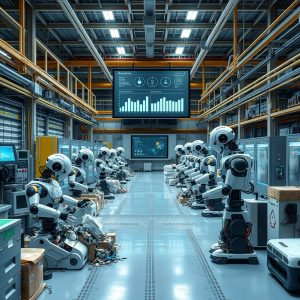
The AI-Powered Revolution: How Artificial Intelligence is Transforming the Circular Economy in Consumer Electronics
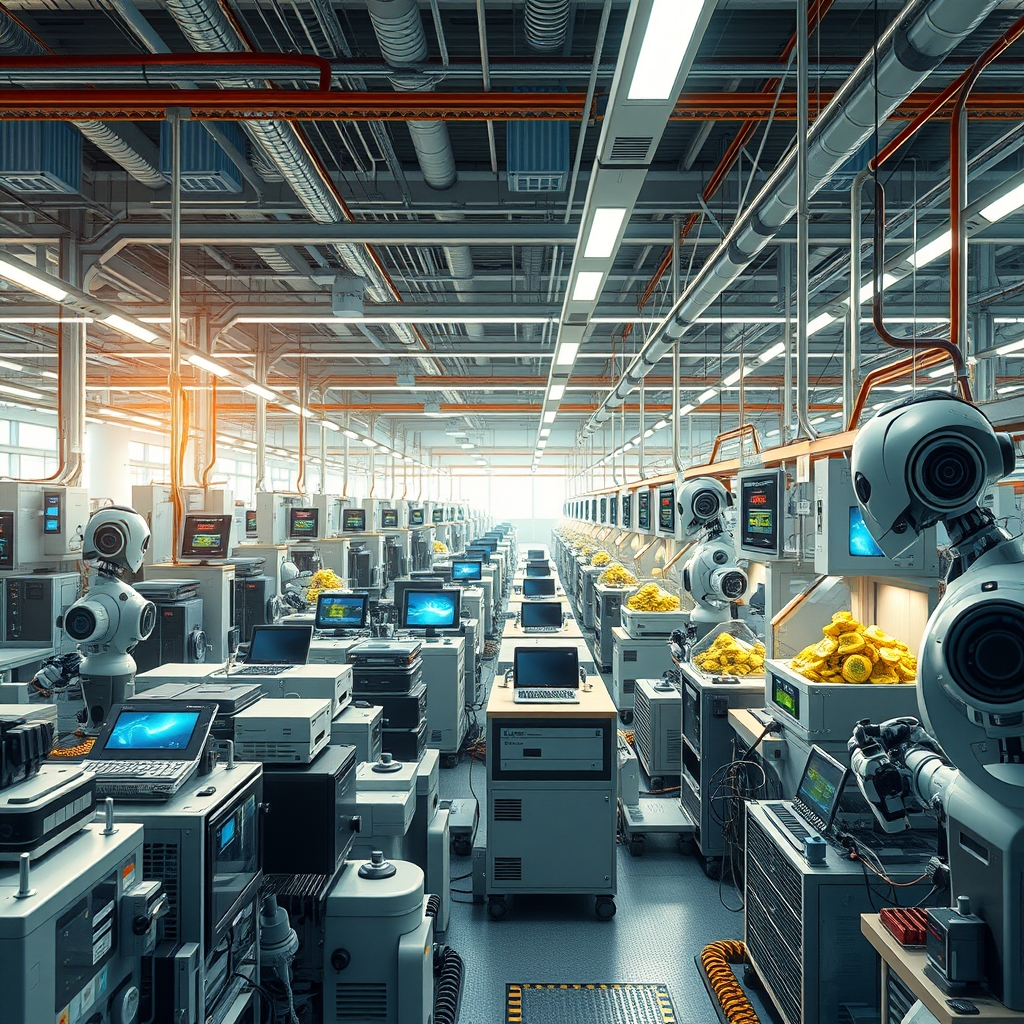
In the rapidly evolving landscape of consumer electronics, the circular economy is emerging as a beacon of hope for sustainability. At the heart of this transformation lies Artificial Intelligence (AI), a powerful tool that is reshaping the way we source, manufacture, and manage electronic devices. This article explores the symbiotic relationship between AI and the circular economy, and how it’s revolutionizing the consumer electronics industry.
The Circular Economy: A Paradigm Shift
The circular economy is a model of production and consumption that aims to eliminate waste and make the most of resources. Unlike the traditional linear economy, which follows a ‘take-make-waste’ approach, the circular economy seeks to keep products, components, and materials at their highest utility and value at all times. In the context of consumer electronics, this means extending the lifespan of devices, refurbishing and reusing components, and recycling materials.
AI: The Catalyst for the Circular Economy
AI is playing a pivotal role in the circular economy by providing advanced analytics, predictive maintenance, and automation capabilities. These technologies enable manufacturers to optimize their supply chains, reduce waste, and improve the efficiency of their operations.
Supply Chain Optimization
AI-driven supply chain optimization is a game-changer in the circular economy. By analyzing vast amounts of data, AI can predict demand, optimize inventory, and streamline logistics. This not only reduces waste but also ensures that resources are used efficiently. For instance, AI can help manufacturers identify the most sustainable sourcing options, reducing the carbon footprint of their operations.
Refurbished Smartphone Market
The refurbished smartphone market is a prime example of the circular economy in action. AI is revolutionizing this market by enabling manufacturers to refurbish and resell devices more efficiently. AI-powered analytics can assess the condition of a device, predict its lifespan, and recommend the best refurbishment strategy. This not only extends the lifespan of devices but also creates a new revenue stream for manufacturers.
Green Manufacturing and Sustainable Packaging
Green manufacturing and sustainable packaging are other areas where AI is making a significant impact. AI-powered smart factories can monitor and control production processes in real-time, ensuring that they are as efficient and sustainable as possible. Similarly, AI can help manufacturers design and optimize sustainable packaging solutions, reducing waste and minimizing the environmental impact of their products.
Electronic Waste Management
Electronic waste, or e-waste, is a significant challenge in the consumer electronics industry. AI is helping to address this issue by enabling more efficient and sustainable e-waste management. AI-powered systems can identify and categorize e-waste, making it easier to recycle and dispose of. Additionally, AI can help manufacturers design devices that are easier to disassemble and recycle, further reducing the environmental impact of e-waste.
The AI-powered revolution in the circular economy is not just about sustainability. It’s also about innovation and economic growth. By enabling manufacturers to operate more efficiently and sustainably, AI is creating new opportunities for businesses and driving economic growth. Moreover, the circular economy is not just about the environment. It’s also about creating a more resilient and equitable economy, where resources are used more efficiently and waste is minimized. As AI continues to evolve and improve, its role in the circular economy will only become more significant. The future of consumer electronics is not just about creating new devices. It’s about creating a more sustainable and equitable future for all.