
The Green Blueprint: How AI and Satellite Communication Are Optimizing Global Value Chains for a Circular Economy in Consumer Electronics
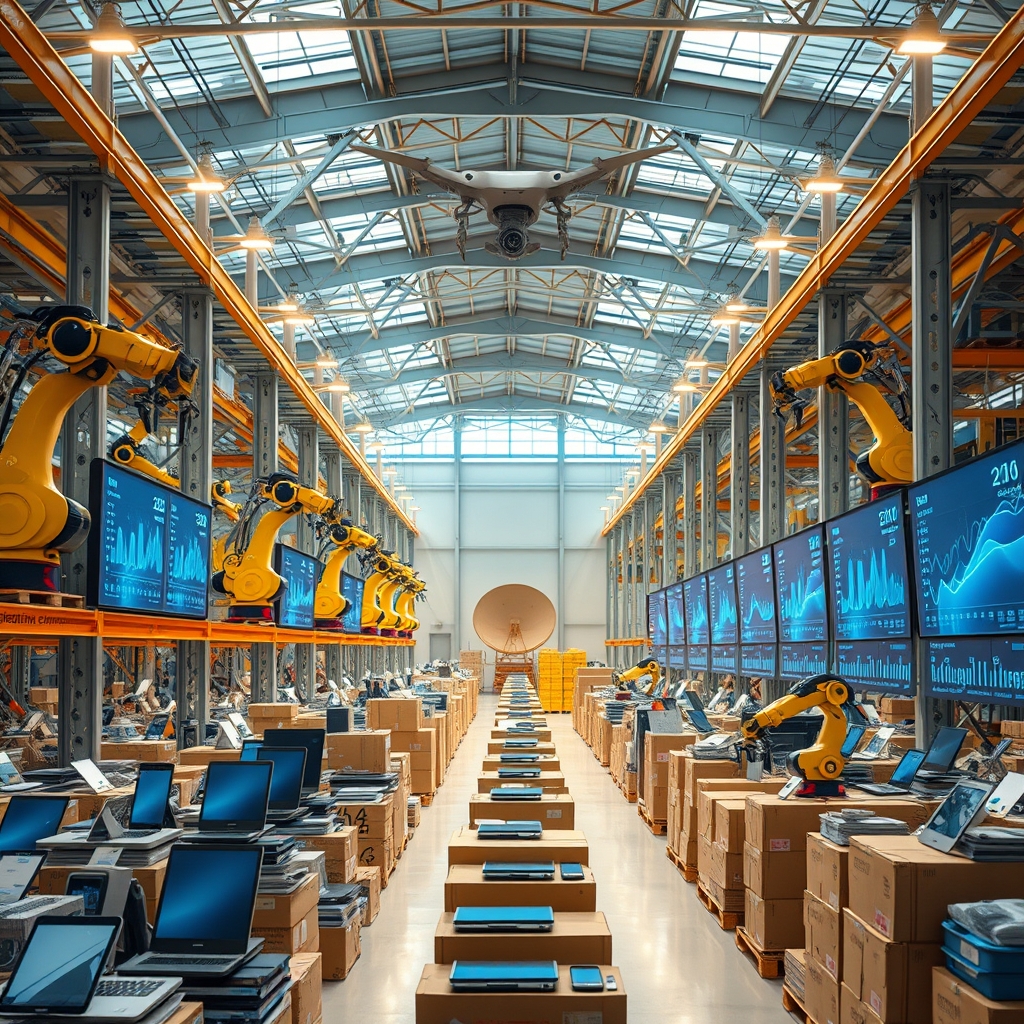
In the rapidly evolving landscape of consumer electronics, the circular economy is emerging as a beacon of hope for sustainability. At the heart of this transformation lies the synergy between Artificial Intelligence (AI) and satellite communication, reshaping global value chains and paving the way for a greener future.
The Circular Economy: A Paradigm Shift
The circular economy, a model of production and consumption that aims to eliminate waste and make the most of resources, is gaining traction in the consumer electronics industry. Unlike the traditional linear economy, which follows a ‘take, make, dispose’ model, the circular economy advocates for a ‘reduce, reuse, recycle’ approach. This shift is not only environmentally beneficial but also presents significant economic opportunities.
The Role of AI
AI is the driving force behind this paradigm shift. By leveraging machine learning algorithms, AI can optimize resource usage, predict demand, and streamline the supply chain. For instance, AI-powered predictive analytics can help manufacturers forecast demand more accurately, reducing overproduction and waste. Moreover, AI-driven automation can enhance the efficiency of recycling processes, making them more sustainable and cost-effective.
The Role of Satellite Communication
Satellite communication, on the other hand, plays a crucial role in bridging the gap between manufacturers, suppliers, and consumers. It enables real-time tracking of products, ensuring transparency and traceability throughout the supply chain. This not only helps in identifying potential bottlenecks but also facilitates the implementation of circular economy principles, such as product-as-a-service models and refurbishment programs.
Optimizing Global Value Chains
The integration of AI and satellite communication is revolutionizing global value chains in the consumer electronics industry. By optimizing these chains, companies can reduce lead times, lower costs, and enhance product quality. Moreover, this integration enables the seamless flow of information and goods across borders, fostering a more resilient and sustainable global economy.
Case Study: The Refurbished Smartphone Market
Consider the refurbished smartphone market, a testament to the power of AI and satellite communication. By leveraging AI-driven analytics, companies can identify high-demand refurbished models and optimize their inventory. Satellite communication, on the other hand, enables real-time tracking of these devices, ensuring they reach their destinations efficiently. This not only reduces electronic waste but also creates a sustainable revenue stream for manufacturers.
Sustainable Packaging and Green Manufacturing
AI and satellite communication are also instrumental in promoting sustainable packaging and green manufacturing. AI can optimize the design of packaging materials, reducing their environmental impact. Satellite communication, meanwhile, enables the real-time monitoring of manufacturing processes, ensuring they adhere to sustainability standards. This not only enhances the quality of products but also promotes a greener manufacturing environment.
In conclusion, the synergy between AI and satellite communication is reshaping the global value chains in the consumer electronics industry. By optimizing these chains and promoting the circular economy, companies can not only reduce their environmental footprint but also unlock significant economic opportunities. As we move towards a more sustainable future, the role of AI and satellite communication will only become more pronounced, driving the consumer electronics industry towards a greener, more efficient, and resilient model.