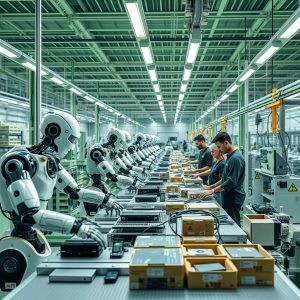
The AI-Powered Circular Economy: Revolutionizing the Refurbished Smartphone Market
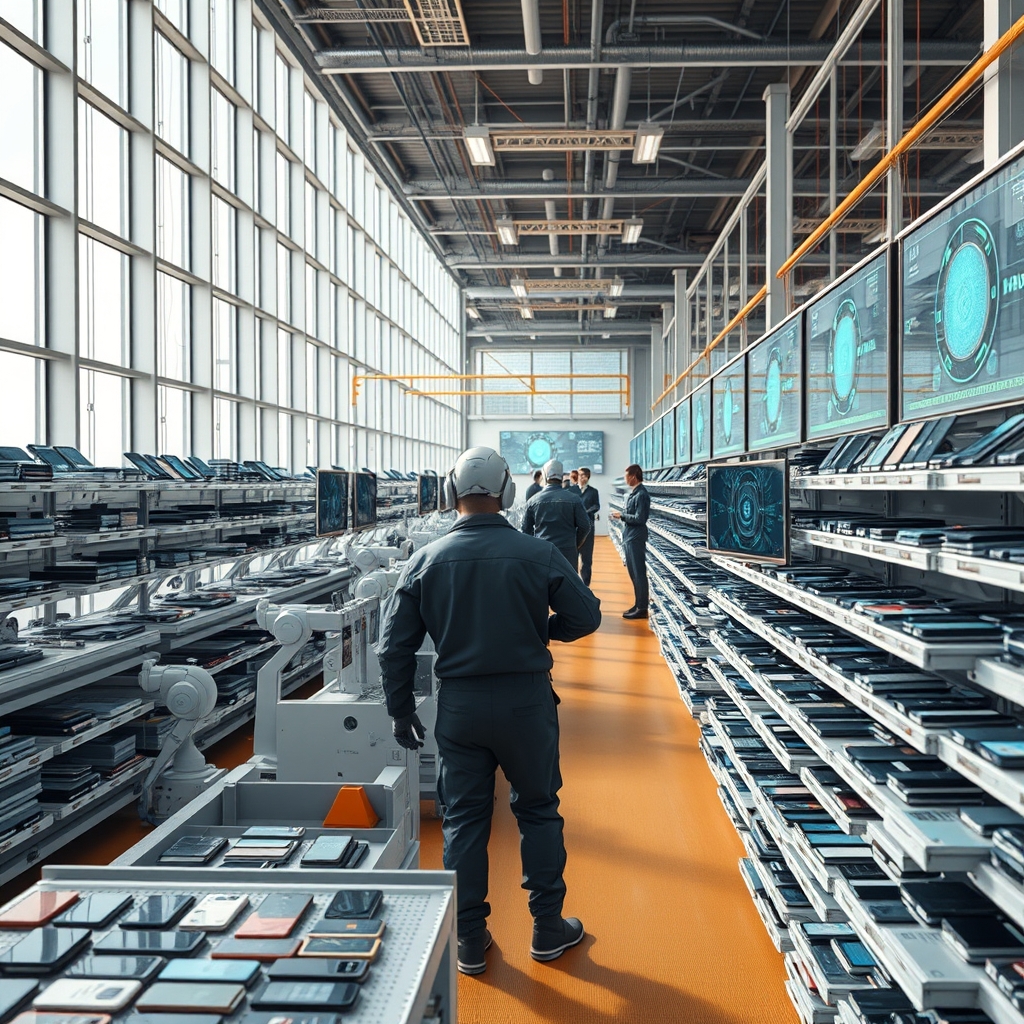
In the ever-evolving landscape of consumer electronics, the circular economy is emerging as a beacon of hope for sustainability and innovation. At the forefront of this revolution is the refurbished smartphone market, which is being transformed by artificial intelligence (AI) integration. This synergy is not only reshaping the way we think about electronic waste but also opening up new avenues for supply chain optimization and strategic sourcing.
The Circular Economy: A Paradigm Shift
The circular economy, a model of production and consumption that is regeneratively regenerative by intention and design, is gaining traction across various industries. In the context of consumer electronics, it emphasizes the reduction of waste, the reuse of materials, and the recycling of products. This approach is particularly relevant in the smartphone industry, where the rapid pace of technological advancement leads to a significant amount of electronic waste.
AI Integration: The Catalyst
AI is playing a pivotal role in this paradigm shift. By leveraging machine learning algorithms, AI can analyze vast amounts of data to predict demand, optimize supply chains, and even assess the condition of refurbished devices. This not only enhances the efficiency of the refurbished smartphone market but also ensures that the devices meet the required quality standards.
Supply Chain Optimization
One of the key advantages of AI integration in the circular economy is supply chain optimization. AI-powered systems can identify bottlenecks in the supply chain, predict potential disruptions, and suggest optimal solutions. This not only ensures the smooth flow of refurbished smartphones but also reduces the overall cost of production and distribution.
Strategic Sourcing
Strategic sourcing is another area where AI is making a significant impact. By analyzing market trends, AI can identify the most reliable and cost-effective sources of refurbished components. This not only ensures the quality of the final product but also contributes to the overall sustainability of the circular economy.
Green Manufacturing: The Future of Production
Green manufacturing, or sustainable manufacturing, is another critical aspect of the circular economy. It involves the use of eco-friendly materials, energy-efficient processes, and waste reduction strategies. AI is instrumental in achieving these goals. By optimizing production processes, AI can significantly reduce the environmental impact of manufacturing.
Device Automation
Device automation is yet another area where AI is revolutionizing the circular economy. Automated systems can handle the refurbishment, testing, and packaging of smartphones, ensuring consistency and quality. This not only enhances the efficiency of the production process but also reduces the need for human intervention, thereby minimizing the risk of errors.
Sustainable Packaging
Sustainable packaging is a crucial aspect of the circular economy. It involves the use of eco-friendly materials and designs that minimize waste. AI can play a significant role in this area by optimizing the design and production of packaging materials. This not only reduces the environmental impact but also enhances the overall customer experience.
The AI-powered circular economy is not just a buzzword; it’s a tangible reality that is reshaping the refurbished smartphone market. By integrating AI into the circular economy, we can achieve a more sustainable and efficient future for consumer electronics. This synergy is not only beneficial for the environment but also for businesses and consumers alike. As we continue to explore the potential of AI and the circular economy, we can look forward to a future where technology and sustainability go hand in hand.