Harnessing Near Field Communication and AI for Smarter, Greener Consumer Electronics Logistics
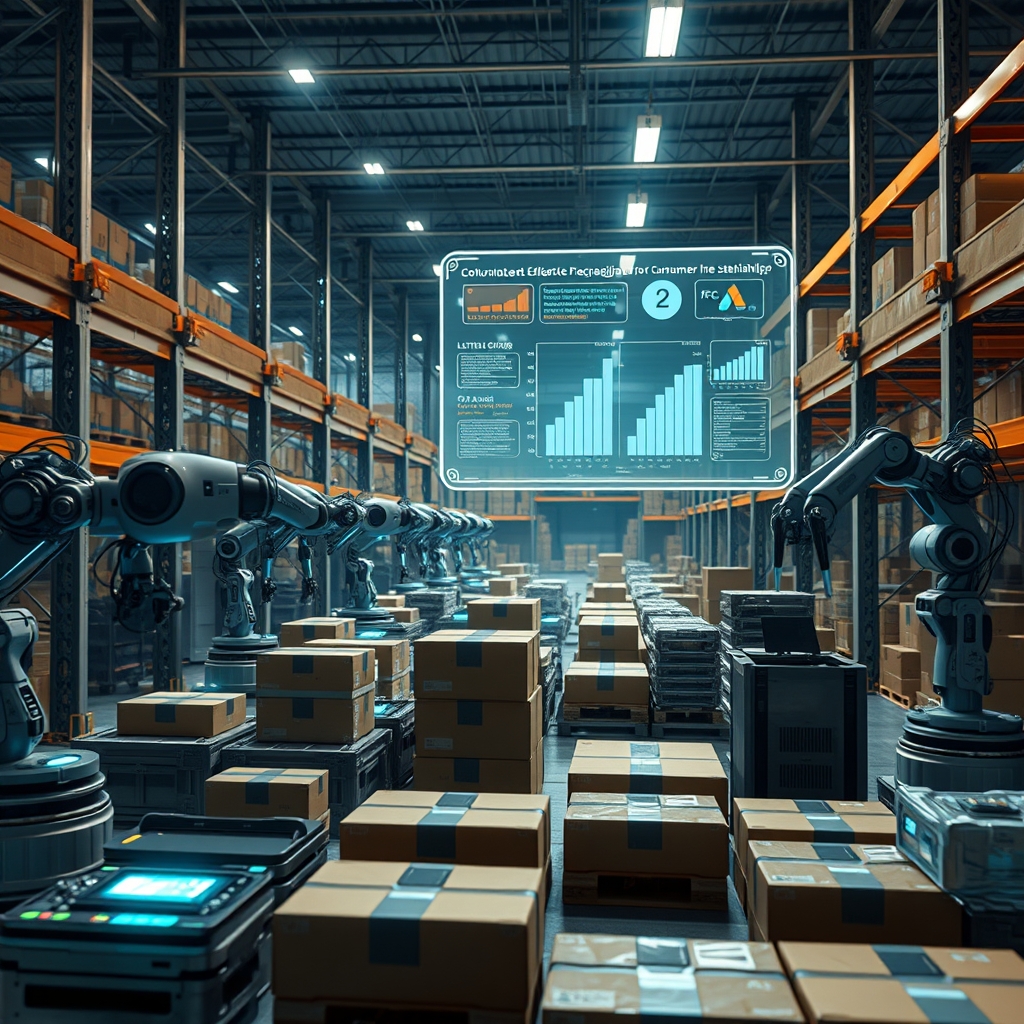
In an era where efficiency and sustainability are no longer optional but essential, the consumer electronics industry is undergoing a transformative shift. At the heart of this evolution lies the integration of advanced technologies like Near Field Communication (NFC) and Artificial Intelligence (AI), which are redefining the way devices are tracked, managed, and distributed. These innovations are not just streamlining logistics but also paving the way for a more circular and sustainable economy, where every component and device is accounted for, optimized, and repurposed.
The Role of Near Field Communication in Modern Logistics
Near Field Communication, or NFC, has long been associated with contactless payments and quick data transfers between devices. However, its potential in consumer electronics logistics is only beginning to be fully realized. NFC enables seamless, real-time tracking of products throughout the supply chain, from manufacturing to end-of-life recycling. By embedding NFC tags in devices and packaging, companies can monitor the movement, condition, and authenticity of their products with unprecedented precision.
For instance, NFC can be used to verify the origin of components, ensuring that they meet sustainability and ethical sourcing standards. This is particularly crucial in an industry where counterfeit parts and unethical sourcing practices can undermine both brand reputation and environmental goals. Moreover, NFC tags can store critical information about a device’s lifecycle, such as repair history, software updates, and recycling instructions, making it easier for consumers and recyclers to handle products responsibly.
AI-Driven Supply Chain Optimization
While NFC provides the data, AI is the engine that turns this information into actionable insights. AI-driven analytics can predict demand patterns, optimize inventory levels, and even identify potential disruptions in the supply chain before they occur. This level of foresight is invaluable in an industry characterized by rapid technological advancements and shifting consumer preferences.
One of the most significant advantages of AI in logistics is its ability to enhance the circular economy. By analyzing data from NFC tags and other sources, AI can determine the best pathways for refurbishing, recycling, or repurposing devices. For example, AI can identify which components in a returned smartphone are still functional and can be reused in other devices, reducing the need for new raw materials. This not only cuts costs but also minimizes electronic waste, a growing concern in the consumer electronics sector.
Sustainable Packaging and Device Automation
The integration of NFC and AI extends beyond the devices themselves to the packaging that protects them. Sustainable packaging solutions, such as biodegradable materials or reusable containers, are becoming increasingly popular. NFC tags can be embedded in these packages to track their journey through the supply chain, ensuring they are returned, reused, or recycled appropriately. AI can then analyze this data to optimize packaging designs, reducing waste and improving efficiency.
Device automation is another area where NFC and AI are making a significant impact. Automated warehouses and smart factories rely on these technologies to streamline operations, from sorting and packaging to shipping and delivery. For example, NFC-enabled robots can identify and handle products with precision, while AI algorithms ensure that the right products are delivered to the right locations at the right time. This level of automation not only speeds up the logistics process but also reduces human error, leading to more reliable and sustainable operations.
The Future of Consumer Electronics Logistics
The convergence of NFC, AI, and sustainable practices is creating a new paradigm for consumer electronics logistics. Companies that embrace these technologies are not only improving their operational efficiency but also contributing to a more sustainable and circular economy. The ability to track, manage, and optimize every aspect of the supply chain—from component sourcing to end-of-life recycling—is transforming the industry in ways that were unimaginable just a decade ago.
As these technologies continue to evolve, we can expect even greater innovations in logistics. For instance, the rise of generative AI hardware could lead to more sophisticated predictive models, while advancements in satellite communication might enable real-time tracking of shipments across the globe. The possibilities are endless, but one thing is clear: the future of consumer electronics logistics will be smarter, greener, and more efficient than ever before.
The journey toward a fully circular and sustainable consumer electronics industry is still in its early stages, but the integration of NFC and AI is a critical step forward. By leveraging these technologies, companies can not only meet the demands of today’s consumers but also create a more resilient and responsible supply chain for the future. The choices made today will shape the industry for decades to come, and those who prioritize innovation and sustainability will lead the way.