The Intersection of AI and the Circular Economy: Redefining the Refurbished Smartphone Market
In the rapidly evolving landscape of consumer electronics, the refurbished smartphone market is emerging as a beacon of sustainability and innovation. This market, once considered a niche segment, is now gaining significant traction, driven by a confluence of factors including technological advancements, environmental consciousness, and strategic business models. At the heart of this transformation is the synergy between Artificial Intelligence (AI) and the principles of the circular economy.
The Rise of the Refurbished Smartphone Market
The refurbished smartphone market is experiencing a surge in popularity, with consumers increasingly opting for refurbished devices over new ones. This shift is fueled by several factors, including the high cost of new smartphones, the desire for environmental sustainability, and the availability of refurbished devices that meet the latest performance standards. According to a report by Counterpoint Research, the global refurbished smartphone market is expected to reach $10 billion by 2025, up from $3.5 billion in 2020.
Environmental Benefits
One of the primary drivers of the refurbished smartphone market is the environmental benefit it offers. By extending the lifecycle of electronic devices, refurbished smartphones help reduce electronic waste, also known as e-waste. E-waste is a significant environmental issue, with millions of tons of electronic devices discarded annually. Refurbished smartphones, by providing a second life to these devices, help mitigate this problem.
Cost Savings
Another key factor driving the refurbished smartphone market is the cost savings it offers. Refurbished smartphones are significantly cheaper than new ones, making them an attractive option for budget-conscious consumers. For instance, a refurbished iPhone can cost as little as $100, compared to the $999 price tag of a new iPhone. This cost advantage is particularly appealing in emerging markets where the cost of living is relatively low.
AI and the Circular Economy
The circular economy is an economic system aimed at eliminating waste and the continual use of resources. It is based on three principles: eliminate waste and pollution, keep products and materials in use, and regenerate natural systems. AI is playing a crucial role in the implementation of these principles, particularly in the refurbished smartphone market.
AI-Driven Device Assessment
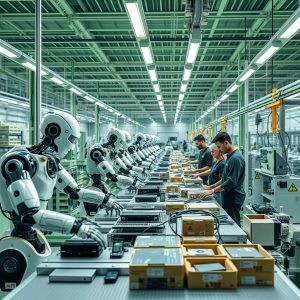
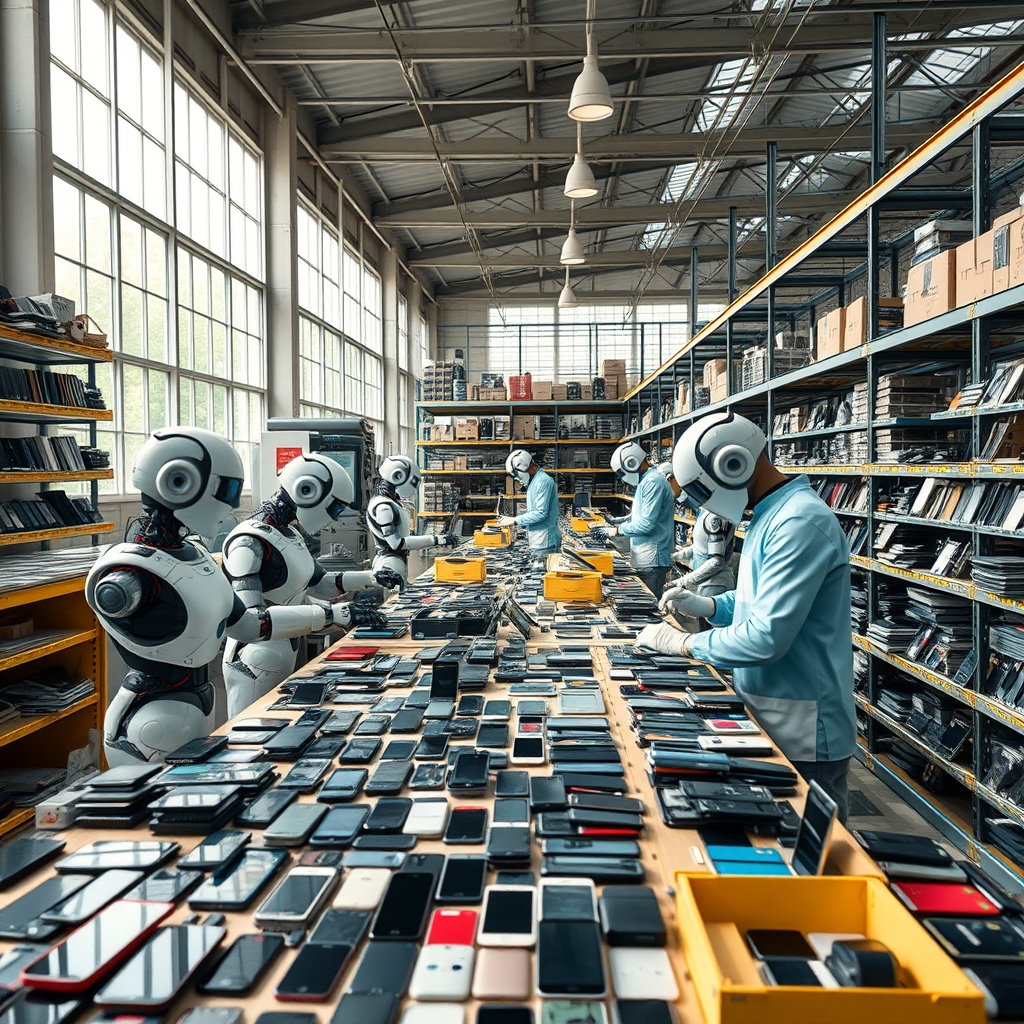
AI is revolutionizing the way refurbished smartphones are assessed and certified. Traditional methods of device assessment are time-consuming and often subjective. AI, on the other hand, can quickly and accurately assess the condition of a smartphone, identifying any potential issues and determining its resale value. This AI-driven device assessment ensures that only high-quality refurbished smartphones enter the market, providing consumers with reliable and durable devices.
AI-Powered Supply Chain Optimization
AI is also optimizing the supply chain for refurbished smartphones. By analyzing vast amounts of data, AI can identify inefficiencies in the supply chain and suggest improvements. For instance, AI can help identify the most cost-effective sources of refurbished components, optimize the logistics of device transportation, and ensure timely delivery to retailers. This AI-powered supply chain optimization not only reduces costs but also improves the overall efficiency of the refurbished smartphone market.
Strategic Sourcing and Green Manufacturing
Strategic sourcing and green manufacturing are two other key factors driving the refurbished smartphone market. Strategic sourcing involves identifying and procuring the best possible sources of refurbished components, while green manufacturing focuses on reducing the environmental impact of the manufacturing process.
Strategic Sourcing
Strategic sourcing is crucial for the refurbished smartphone market, as it ensures the availability of high-quality refurbished components. By partnering with reputable refurbishers and recyclers, companies can source components that meet their quality standards. AI can play a significant role in strategic sourcing, by analyzing data on refurbished components and identifying the most reliable and cost-effective sources.
Green Manufacturing
Green manufacturing is another important aspect of the refurbished smartphone market. By adopting sustainable practices in the manufacturing process, companies can reduce their environmental impact and appeal to environmentally conscious consumers. AI can help in green manufacturing by optimizing energy consumption, reducing water usage, and minimizing waste. For instance, AI can help identify the most energy-efficient processes and suggest improvements to reduce energy consumption.
The refurbished smartphone market is a testament to the power of AI and the circular economy. By leveraging AI-driven device assessment, AI-powered supply chain optimization, strategic sourcing, and green manufacturing, the refurbished smartphone market is not only reducing electronic waste but also providing consumers with affordable and reliable devices. As the market continues to grow, it is set to redefine the future of consumer electronics, demonstrating that sustainability and innovation can go hand in hand.