
The Future of Component Sourcing in Consumer Electronics: How AI and the Circular Economy Are Redefining Strategic Partnerships
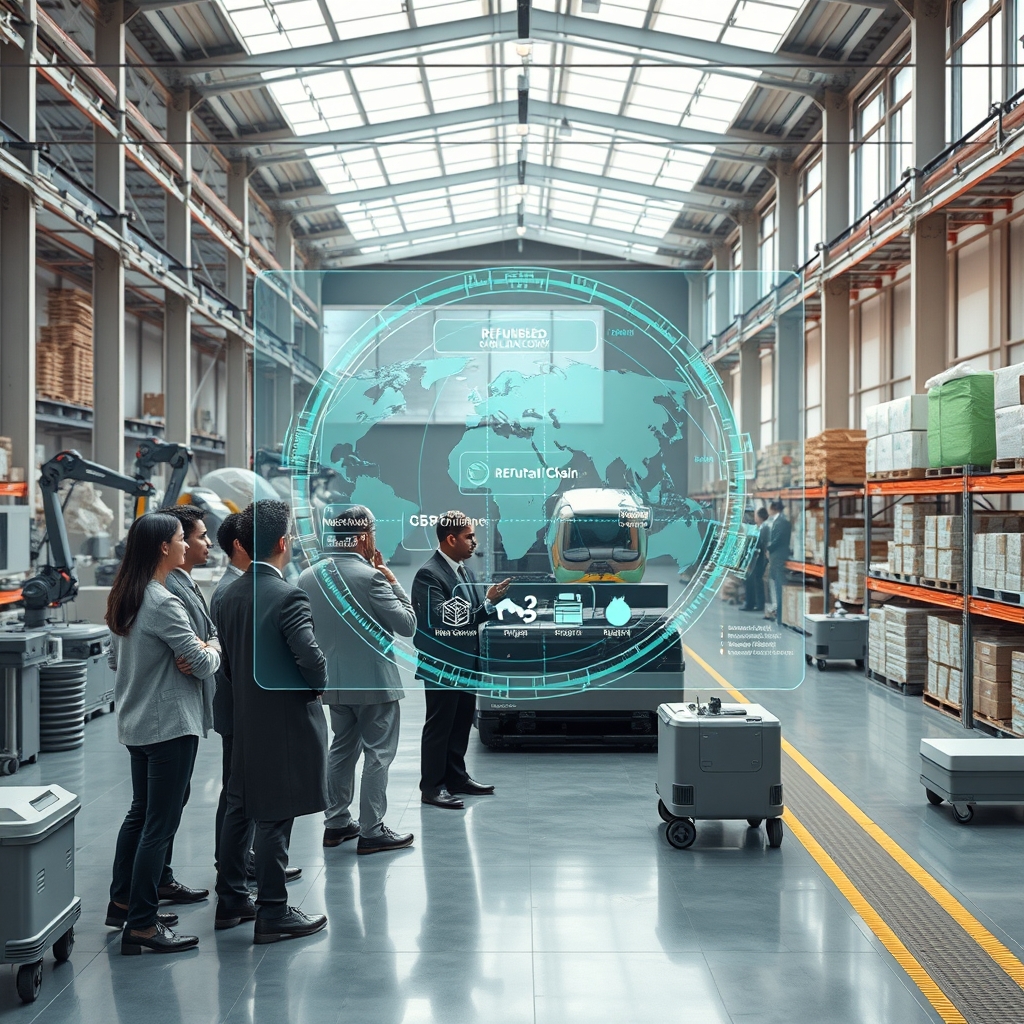
The consumer electronics industry is undergoing a seismic shift, driven by the dual forces of artificial intelligence (AI) and the circular economy. At the heart of this transformation lies component sourcing—a critical yet often overlooked aspect of the global value chain. As brands strive to balance innovation, sustainability, and cost-efficiency, traditional sourcing models are being upended by AI-driven insights and circular economy principles. The result? A more resilient, adaptive, and environmentally conscious approach to procuring the building blocks of modern devices.
The AI Revolution in Component Sourcing
Artificial intelligence is no longer just a tool for optimizing supply chains—it’s becoming the backbone of strategic sourcing decisions. Machine learning algorithms analyze vast datasets, from market trends to supplier performance, to predict demand fluctuations, identify risks, and uncover cost-saving opportunities. For instance, AI can forecast shortages in semiconductor supplies months in advance, allowing companies to secure alternative sources or adjust production schedules proactively. This level of foresight was unimaginable just a decade ago, when sourcing relied heavily on historical data and gut instinct.
Beyond predictive analytics, AI is also enhancing supplier collaboration. Natural language processing (NLP) tools facilitate real-time communication between manufacturers and suppliers, streamlining negotiations and contract management. Meanwhile, generative AI is being used to simulate sourcing scenarios, helping companies evaluate the long-term impact of their decisions on everything from carbon footprints to profit margins. The integration of AI into sourcing isn’t just about efficiency—it’s about reimagining how partnerships are formed and maintained in an increasingly complex ecosystem.
The Circular Economy’s Role in Redefining Sourcing
The circular economy is challenging the linear “take-make-waste” model that has dominated consumer electronics for decades. In this new paradigm, components are no longer seen as disposable but as valuable assets to be reused, refurbished, or recycled. This shift is forcing companies to rethink their sourcing strategies, prioritizing suppliers that align with circular principles—such as those offering modular designs, recyclable materials, or take-back programs for end-of-life components.
One of the most significant changes is the rise of the refurbished component market. AI-powered platforms are now matching manufacturers with high-quality, pre-owned components, reducing the need for virgin materials and lowering costs. For example, a smartphone manufacturer might source refurbished cameras or batteries from a certified supplier, ensuring they meet performance standards while cutting down on electronic waste. This approach not only supports sustainability goals but also mitigates supply chain disruptions, as refurbished components can often be sourced locally or regionally, reducing reliance on distant suppliers.
Sustainable Packaging and Logistics: The Unsung Heroes
Component sourcing doesn’t end with procurement—it extends to how materials are transported and packaged. Sustainable packaging solutions, such as biodegradable films or reusable containers, are gaining traction as companies seek to minimize their environmental impact. AI plays a crucial role here, too, by optimizing packaging designs to reduce material waste and improve logistics efficiency. For instance, machine learning algorithms can determine the most space-efficient way to pack components, reducing shipping volumes and lowering carbon emissions.
Logistics providers are also leveraging AI to create smarter, greener delivery networks. Route optimization software ensures that components are transported via the most fuel-efficient paths, while real-time tracking systems monitor shipments for delays or disruptions. These innovations are particularly valuable in the refurbished component market, where timely delivery of pre-owned parts can mean the difference between meeting production deadlines and facing costly delays.
The Rise of Strategic Partnerships in the AI-Circular Economy
As AI and the circular economy reshape component sourcing, the nature of supplier relationships is evolving. Gone are the days of transactional, arms-length partnerships. Today, companies are forming deeper, more collaborative alliances with suppliers who share their commitment to innovation and sustainability. These strategic partnerships often involve joint investments in R&D, shared risk-reward models, and long-term contracts that incentivize circular practices.
For example, a consumer electronics brand might partner with a semiconductor manufacturer to develop custom silicon chips designed for easy disassembly and recycling. Similarly, a logistics provider might collaborate with a packaging supplier to create a closed-loop system where containers are continuously reused. These partnerships are not just about reducing costs—they’re about creating shared value that benefits all stakeholders, from suppliers to end consumers.
Challenges and Opportunities on the Horizon
Despite the promise of AI and the circular economy, challenges remain. Data privacy concerns, for instance, can complicate the sharing of information between suppliers and manufacturers. Meanwhile, the upfront costs of adopting AI-driven sourcing tools or circular economy practices can be prohibitive for smaller players. However, these challenges are not insurmountable. Governments and industry consortia are increasingly offering incentives, such as grants or tax breaks, to encourage adoption. Additionally, cloud-based AI solutions are making advanced analytics more accessible to companies of all sizes.
The opportunities, on the other hand, are vast. Companies that embrace AI-driven sourcing and circular economy principles are positioning themselves as leaders in a rapidly changing industry. They’re not only reducing their environmental footprint but also future-proofing their supply chains against disruptions. As consumer demand for sustainable products continues to grow, these companies will be well-placed to capture market share and build brand loyalty.
The transformation of component sourcing in consumer electronics is more than just a trend—it’s a fundamental reimagining of how the industry operates. By harnessing the power of AI and the circular economy, companies are not only optimizing their supply chains but also creating a more sustainable and resilient future. The partnerships formed today will shape the devices of tomorrow, proving that innovation and responsibility can go hand in hand. As the industry continues to evolve, those who embrace this shift will find themselves at the forefront of a new era in consumer electronics, where every component tells a story of efficiency, sustainability, and collaboration.