Strategic Sourcing and AI-Driven Supply Chain Optimization: The Backbone of Next-Gen Consumer Electronics

The consumer electronics industry is undergoing a seismic shift, driven by rapid technological advancements and an urgent need for sustainability. At the heart of this transformation lies strategic sourcing and AI-driven supply chain optimization, two pillars that are redefining how companies design, produce, and distribute devices. As global value chains become more complex and consumer demands evolve, businesses must leverage cutting-edge tools to stay competitive while minimizing environmental impact.
The Evolution of Strategic Sourcing in Consumer Electronics
Strategic sourcing has moved beyond traditional cost-cutting measures to become a dynamic, data-driven process. In the past, sourcing decisions were primarily based on price, lead time, and supplier reliability. Today, however, companies must consider a broader range of factors, including sustainability credentials, geopolitical risks, and innovation potential. The rise of custom silicon chips and generative AI hardware has further complicated sourcing strategies, as manufacturers seek specialized components that align with their long-term product roadmaps.
One of the most significant trends in strategic sourcing is the shift toward regionalization. The disruptions caused by the COVID-19 pandemic and geopolitical tensions have exposed the vulnerabilities of over-reliance on a single region for component sourcing. Companies are now diversifying their supplier bases, establishing near-shoring and friend-shoring partnerships to reduce lead times and mitigate risks. This approach not only enhances supply chain resilience but also supports local economies and reduces carbon footprints associated with long-distance logistics.
AI and Machine Learning: The Game Changers in Sourcing
Artificial intelligence is revolutionizing strategic sourcing by enabling real-time decision-making and predictive analytics. AI-powered tools can analyze vast datasets to identify optimal suppliers, forecast demand fluctuations, and even predict potential disruptions before they occur. For instance, machine learning algorithms can assess supplier performance based on historical data, quality metrics, and compliance with sustainability standards, allowing companies to make informed sourcing decisions.
Moreover, AI-driven platforms facilitate automated negotiations and dynamic pricing models, ensuring that businesses secure the best possible terms without lengthy manual processes. These systems can also monitor global market trends, such as fluctuations in raw material prices or shifts in trade policies, enabling companies to adjust their sourcing strategies proactively. By integrating AI into their sourcing frameworks, consumer electronics manufacturers can achieve greater agility, cost efficiency, and risk mitigation.
Supply Chain Optimization: The Role of AI and Smart Automation
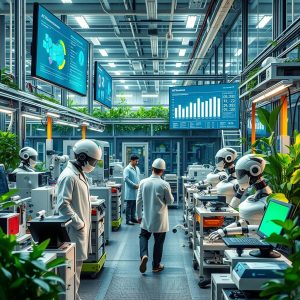
Supply chain optimization in the consumer electronics sector is no longer just about efficiency—it’s about intelligence. The integration of AI, IoT, and smart factory automation has given rise to self-optimizing supply chains that can adapt to changing conditions in real time. These systems leverage data from sensors, ERP systems, and external sources to optimize inventory levels, streamline logistics, and reduce waste.
Predictive Analytics and Demand Forecasting
One of the most impactful applications of AI in supply chain optimization is predictive analytics. By analyzing historical sales data, market trends, and even social media sentiment, AI models can generate highly accurate demand forecasts. This capability is particularly valuable in the consumer electronics industry, where product lifecycles are short, and demand can be volatile. Accurate forecasting enables companies to align production with actual market needs, reducing overproduction and minimizing excess inventory.
For example, a smartphone manufacturer using AI-driven demand forecasting can adjust its production schedules based on real-time sales data, ensuring that popular models are always in stock while avoiding overproduction of less desirable variants. This not only improves customer satisfaction but also reduces the environmental impact of unsold inventory.
Smart Logistics and Sustainable Packaging
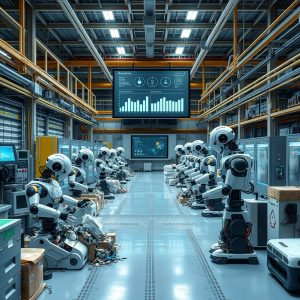
Logistics is another area where AI and automation are making a significant impact. Route optimization algorithms can determine the most efficient delivery paths, reducing fuel consumption and carbon emissions. Additionally, AI-powered warehouse automation systems, such as robotic picking and sorting, enhance operational efficiency while lowering labor costs.
Sustainability is also a key consideration in modern logistics. Companies are increasingly adopting green manufacturing practices and sustainable packaging solutions to minimize their environmental footprint. AI can help identify the most eco-friendly materials and packaging designs, ensuring that products are not only delivered efficiently but also with minimal waste. For instance, machine learning models can analyze the lifecycle impact of different packaging materials, helping companies choose options that are both cost-effective and sustainable.
The Future of Consumer Electronics: A Holistic Approach to Innovation
The convergence of strategic sourcing, AI-driven supply chain optimization, and sustainable practices is shaping the future of the consumer electronics industry. As companies strive to meet the demands of a rapidly evolving market, they must adopt a holistic approach that balances innovation, efficiency, and environmental responsibility. The integration of generative AI hardware and custom silicon chips will further accelerate this transformation, enabling the development of smarter, more efficient devices.
However, the journey toward a fully optimized and sustainable supply chain is not without challenges. Companies must navigate complex regulatory landscapes, manage cybersecurity risks, and address the ethical implications of AI-driven decision-making. Collaboration across the industry—from suppliers to manufacturers to logistics providers—will be essential to overcoming these hurdles and unlocking the full potential of next-gen consumer electronics.
The consumer electronics industry stands at a crossroads, where the choices made today will determine its trajectory for decades to come. By embracing AI-driven supply chain optimization and strategic sourcing, businesses can not only enhance their competitiveness but also contribute to a more sustainable and resilient global economy. The tools and technologies are already here; the question is whether companies will seize the opportunity to lead the charge or risk being left behind in an era of unprecedented change.