
Beyond the New: How AI and the Circular Economy Are Transforming the Refurbished Smartphone Market into a High-Tech Powerhouse
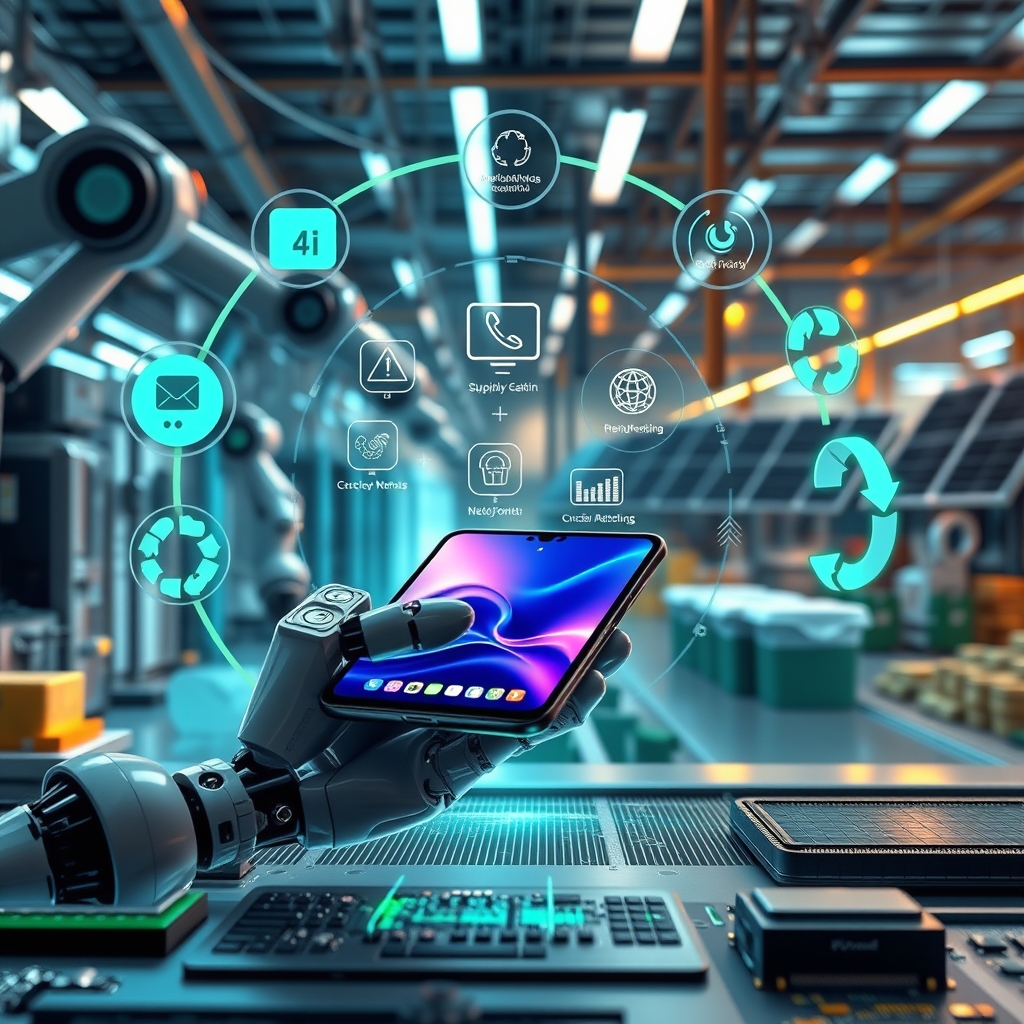
The refurbished smartphone market is no longer the domain of budget-conscious consumers alone. Once perceived as a compromise on quality and performance, it has evolved into a sophisticated ecosystem where artificial intelligence (AI) and circular economy principles converge to redefine value, sustainability, and innovation. This transformation is not merely about extending the lifecycle of devices but about reimagining how technology is designed, sourced, distributed, and reintegrated into the global value chain. At the heart of this shift lies a powerful synergy between AI-driven supply chain optimization, strategic component sourcing, and a growing consumer appetite for premium yet sustainable electronics.
The AI Advantage: Precision in a Fragmented Market
The refurbished smartphone market is inherently complex, characterized by fragmented supply chains, inconsistent device conditions, and fluctuating demand. Traditional approaches to refurbishment relied on manual inspection, generic testing protocols, and reactive inventory management—processes that were time-consuming, error-prone, and inefficient. AI has emerged as the great equalizer, enabling refurbishers to navigate this complexity with unprecedented accuracy and speed.
Machine learning algorithms now analyze vast datasets to predict device availability, assess component wear, and optimize pricing strategies in real time. For instance, AI-powered diagnostic tools can evaluate the health of a smartphone’s battery, display, and internal components within seconds, categorizing devices into precise refurbishment tiers. This level of granularity ensures that each device is matched with the appropriate level of repair, reducing waste and maximizing resale value. Moreover, AI-driven demand forecasting allows refurbishers to align their inventory with market trends, minimizing overstock and stockouts while ensuring a steady supply of high-quality devices.
Strategic Sourcing: The Backbone of Quality and Sustainability
The quality of a refurbished smartphone is only as good as the components that go into it. Strategic sourcing has become a cornerstone of the refurbishment process, ensuring that devices meet both performance and sustainability standards. Refurbishers are increasingly partnering with original equipment manufacturers (OEMs) and authorized distributors to secure high-quality, genuine parts. This shift is driven by two key factors: consumer demand for reliability and the need to comply with stringent environmental regulations.
AI plays a pivotal role in strategic sourcing by identifying the most cost-effective and sustainable suppliers. Predictive analytics tools assess supplier performance, lead times, and ethical practices, enabling refurbishers to make data-driven decisions. Additionally, blockchain technology is being integrated into sourcing platforms to provide end-to-end transparency, ensuring that components are ethically sourced and free from conflict minerals. This level of traceability not only enhances trust but also aligns with the circular economy’s emphasis on responsible consumption and production.
Premiumization: Redefining Value in the Refurbished Market
The perception of refurbished smartphones as inferior alternatives to new devices is rapidly fading. A premiumization strategy is taking hold, where refurbished devices are positioned as high-quality, sustainable, and technologically advanced alternatives to their brand-new counterparts. This shift is driven by several factors, including advancements in refurbishment techniques, the integration of cutting-edge AI hardware, and a growing consumer preference for eco-conscious products.
Refurbishers are now offering devices with extended warranties, certified pre-owned labels, and even customization options, such as upgraded cameras or enhanced storage. AI-powered personalization tools further elevate the consumer experience by recommending devices based on individual usage patterns and preferences. For example, a refurbished smartphone with a foldable display and AI-optimized performance can be marketed as a premium, sustainable choice for tech-savvy consumers who prioritize both innovation and environmental responsibility.
Green Manufacturing and the Circular Economy: A Symbiotic Relationship
The refurbished smartphone market is a natural extension of the circular economy, where the goal is to keep products and materials in use for as long as possible. However, the circular economy is not just about recycling—it’s about rethinking the entire lifecycle of a device, from design to disposal. Green manufacturing principles are being integrated into the refurbishment process to minimize environmental impact while maximizing efficiency.
AI-driven smart factory automation is revolutionizing refurbishment facilities by optimizing energy use, reducing waste, and streamlining workflows. For instance, robotic systems equipped with computer vision can disassemble devices with precision, ensuring that components are either reused, refurbished, or recycled. Sustainable packaging solutions, such as biodegradable materials and modular designs, further reduce the carbon footprint of refurbished devices. These innovations not only enhance the sustainability of the refurbishment process but also appeal to environmentally conscious consumers who are willing to pay a premium for green products.
The Role of Custom Silicon Chips in Refurbished Devices
One of the most exciting developments in the refurbished smartphone market is the integration of custom silicon chips. Traditionally, refurbished devices were limited by the hardware they were originally built with, often lagging behind new models in performance and efficiency. However, the rise of custom silicon—tailored to specific use cases—is changing the game. Refurbishers are now incorporating AI-optimized chips into older devices, significantly enhancing their performance and extending their lifespan.
For example, a refurbished smartphone equipped with a custom AI chip can deliver faster processing speeds, improved battery life, and advanced features such as real-time language translation or augmented reality capabilities. This not only makes refurbished devices more competitive with new models but also aligns with the circular economy’s goal of maximizing the utility of existing resources. By breathing new life into older hardware, custom silicon chips are helping to bridge the gap between sustainability and cutting-edge technology.
Electronic Waste Management: Closing the Loop
Despite the advancements in refurbishment, electronic waste (e-waste) remains a significant challenge. The Global E-waste Monitor 2020 reported that only 17.4% of global e-waste was formally collected and recycled, with the rest ending up in landfills or informal recycling operations. AI and smart factory automation are playing a crucial role in addressing this issue by improving the efficiency and effectiveness of e-waste management.
AI-powered sorting systems can identify and separate valuable materials from e-waste with remarkable precision, increasing recovery rates and reducing the need for virgin resources. Additionally, machine learning algorithms are being used to optimize reverse logistics, ensuring that devices are efficiently collected, transported, and processed. These innovations are not only reducing the environmental impact of e-waste but also creating new economic opportunities in the circular economy.
The refurbished smartphone market is a microcosm of a larger shift toward a more sustainable and intelligent consumer electronics industry. By leveraging AI, strategic sourcing, and green manufacturing, refurbishers are not only meeting the demands of today’s consumers but also paving the way for a future where technology and sustainability go hand in hand. The devices we once discarded are now being transformed into high-performance, eco-friendly alternatives, proving that the future of consumer electronics is not just about what’s new—it’s about what’s next.



