How Strategic Sourcing and Green Manufacturing Are Redefining the Refurbished Smartphone Market Through AI Integration
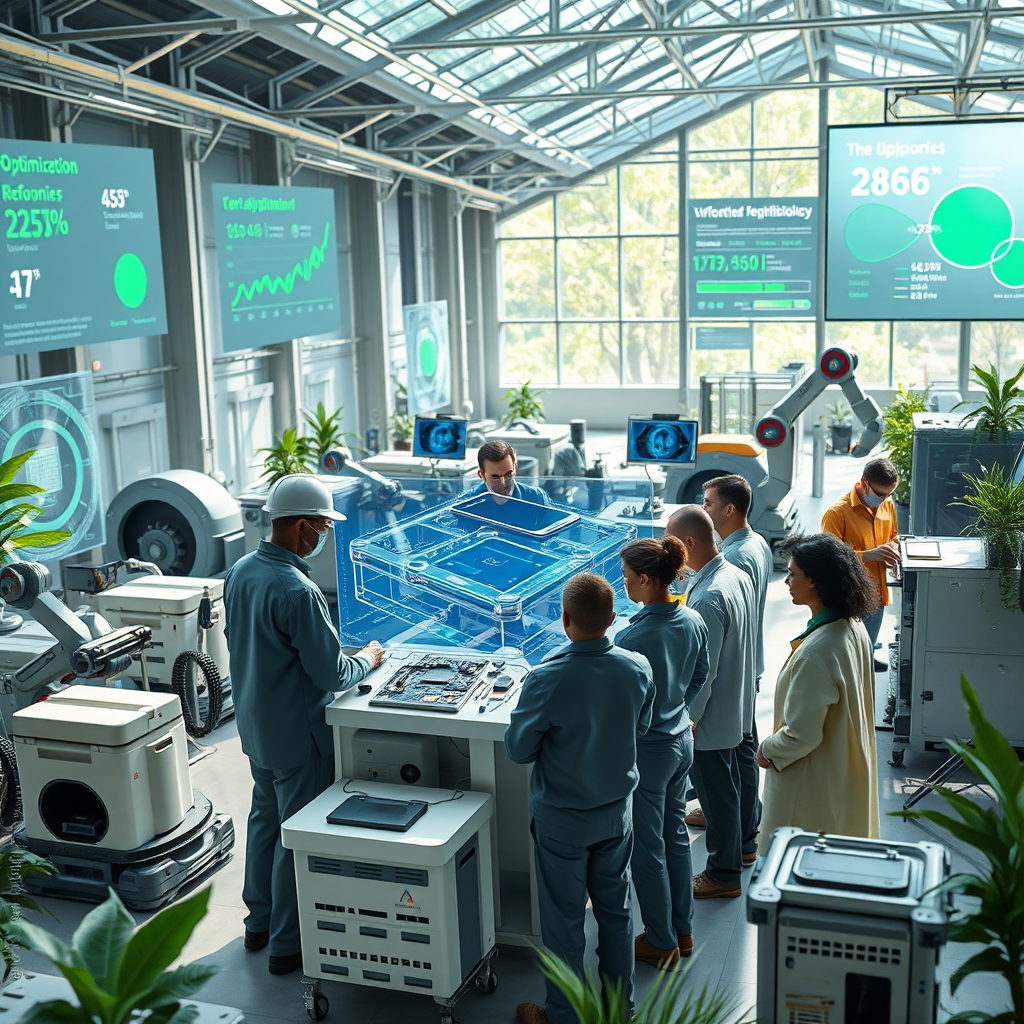
The refurbished smartphone market has emerged as a critical player in the global push toward sustainability, offering a compelling alternative to the linear “take-make-dispose” model that has long dominated consumer electronics. As environmental concerns intensify and regulatory pressures mount, brands and manufacturers are increasingly turning to strategic sourcing and green manufacturing to transform this sector into a cornerstone of the circular economy. At the heart of this transformation lies the integration of Artificial Intelligence (AI), which is not only optimizing supply chains but also redefining how devices are sourced, refurbished, and reintroduced into the market.
The Role of Strategic Sourcing in the Refurbished Smartphone Ecosystem
Strategic sourcing has become a linchpin in the refurbished smartphone market, enabling companies to secure high-quality, pre-owned devices while minimizing costs and environmental impact. Unlike traditional sourcing, which often prioritizes price and volume, strategic sourcing leverages data-driven insights to identify the most sustainable and efficient suppliers. AI-powered analytics play a pivotal role here, scanning global markets to predict supply fluctuations, assess device conditions, and even forecast demand for specific models. This level of precision ensures that refurbishers can source devices that are not only cost-effective but also viable for refurbishment, reducing electronic waste and extending the lifecycle of each unit.
Moreover, strategic sourcing fosters stronger partnerships between refurbishers, original equipment manufacturers (OEMs), and recyclers. By collaborating with OEMs, refurbishers gain access to certified parts and proprietary tools, ensuring that refurbished devices meet the same quality standards as new ones. This synergy is particularly crucial in a market where consumer trust is paramount. When buyers know that a refurbished device has undergone rigorous testing and uses genuine components, they are more likely to embrace it as a sustainable alternative to new hardware.
Green Manufacturing: A New Standard for Refurbished Devices
Green manufacturing is no longer a niche concept but a necessity in the refurbished smartphone industry. As consumers and regulators demand greater transparency and accountability, refurbishers are adopting eco-friendly practices that align with circular economy principles. AI is instrumental in this shift, enabling smarter decision-making across the manufacturing process. For instance, AI-driven predictive maintenance ensures that refurbishment equipment operates at peak efficiency, reducing energy consumption and minimizing downtime. Similarly, machine learning algorithms optimize the disassembly and reassembly of devices, identifying the most efficient ways to refurbish components without compromising quality.
One of the most significant advancements in green manufacturing is the use of sustainable packaging. Refurbishers are increasingly replacing traditional plastic-based packaging with biodegradable or recycled materials, further reducing the environmental footprint of their operations. AI plays a role here as well, by analyzing supply chains to identify the most sustainable packaging suppliers and optimizing logistics to minimize carbon emissions. Additionally, some companies are exploring Hardware as a Service (HaaS)
models, where devices are leased rather than sold, ensuring that they are returned for refurbishment or recycling at the end of their lifecycle. This approach not only promotes sustainability but also creates a steady stream of high-quality devices for the refurbished market. The integration of AI into supply chain optimization is perhaps the most transformative development in the refurbished smartphone market. Traditional supply chains are often plagued by inefficiencies, from overstocking to delays in sourcing components. AI addresses these challenges by providing real-time visibility into every stage of the supply chain, from sourcing to refurbishment to distribution. For example, AI-powered demand forecasting tools analyze market trends, consumer behavior, and historical data to predict which devices will be in high demand. This allows refurbishers to adjust their sourcing strategies dynamically, ensuring that they have the right inventory at the right time. AI also enhances component sourcing by identifying the most reliable and sustainable suppliers. By analyzing factors such as supplier performance, ethical practices, and environmental impact, AI helps refurbishers make informed decisions that align with their sustainability goals. Furthermore, AI-driven logistics platforms optimize transportation routes, reducing fuel consumption and emissions. These platforms can even simulate different scenarios to identify the most efficient ways to transport devices, whether by land, sea, or air. For the refurbished smartphone market to reach its full potential, consumer trust is essential. Historically, refurbished devices have been perceived as inferior to new ones, but this perception is rapidly changing. Brands are leveraging premiumization strategies to position refurbished smartphones as high-quality, sustainable alternatives. AI plays a key role in this shift by enabling refurbishers to offer personalized experiences, such as customizable device configurations or tailored warranty options. Additionally, AI-driven quality control systems ensure that every refurbished device meets stringent performance standards, further boosting consumer confidence. Another factor driving the premiumization of refurbished smartphones is the growing demand for custom silicon chips. As AI and machine learning become more integrated into consumer electronics, the need for specialized hardware has surged. Refurbishers are now sourcing and refurbishing devices with custom chips designed for AI applications, such as neural processing units (NPUs) or edge computing capabilities. This not only enhances the performance of refurbished devices but also positions them as cutting-edge alternatives to new hardware. The refurbished smartphone market is no longer a niche segment but a vital component of the broader consumer electronics industry. As AI continues to evolve, its role in optimizing strategic sourcing, green manufacturing, and supply chain logistics will only grow. The integration of AI-driven solutions is not just about improving efficiency; it is about creating a sustainable ecosystem where devices are designed to last, components are reused, and waste is minimized. This shift is not only good for the planet but also for businesses, as it opens up new revenue streams and strengthens brand loyalty among environmentally conscious consumers. The journey toward a fully circular economy in consumer electronics is still in its early stages, but the progress made in the refurbished smartphone market offers a glimpse of what is possible. By embracing AI, strategic sourcing, and green manufacturing, the industry is laying the foundation for a future where sustainability and innovation go hand in hand. As technology continues to advance, the line between new and refurbished devices will blur, and consumers will increasingly view refurbished smartphones not as compromises but as smart, sustainable choices that align with their values and the needs of the planet.The Impact of AI on Supply Chain Optimization
Consumer Trust and the Premiumization of Refurbished Smartphones
The Future of Refurbished Smartphones: A Circular Economy Powered by AI