How Satellite Communication and AI-Powered Smart Factories Are Revolutionizing Green Manufacturing in Consumer Electronics
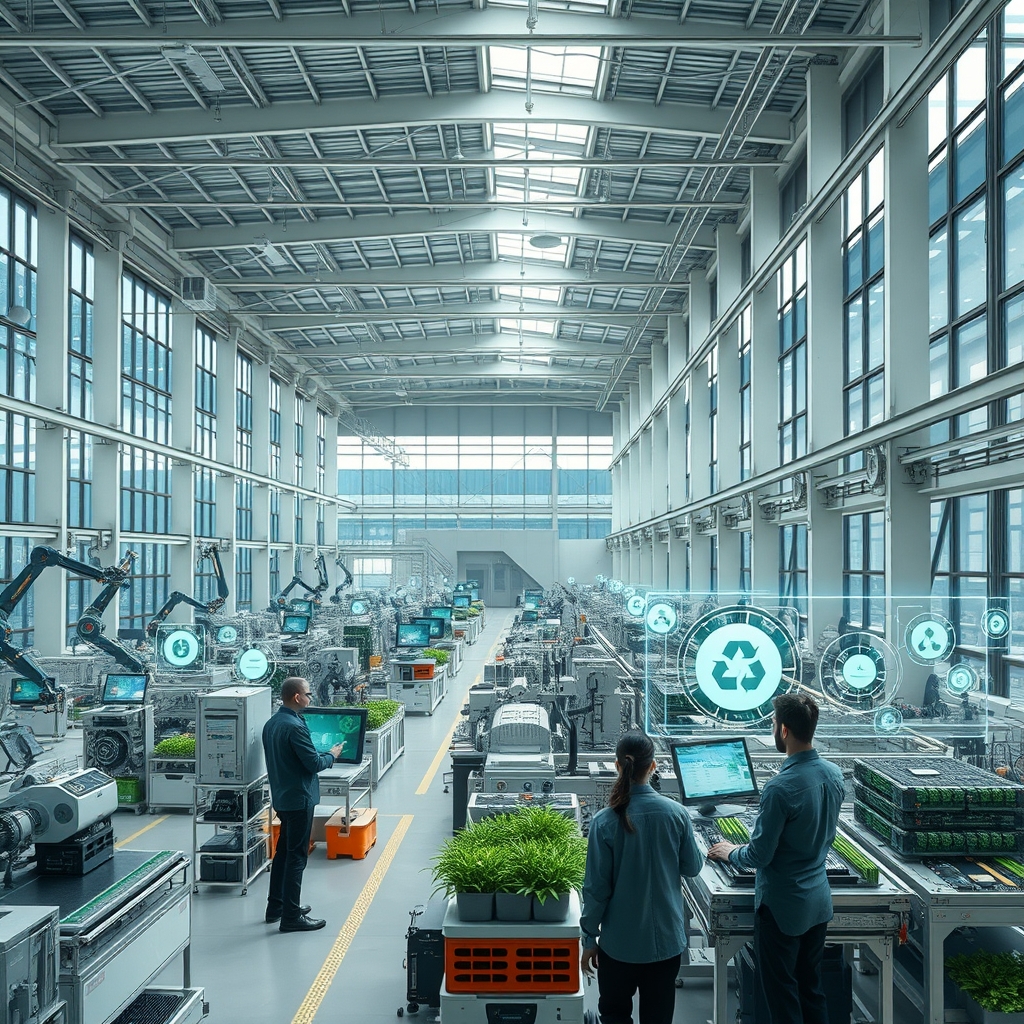
In an era where sustainability is no longer a choice but a necessity, the consumer electronics industry is undergoing a profound transformation. The convergence of satellite communication and artificial intelligence (AI) is enabling smart factories to redefine green manufacturing, creating a paradigm shift that prioritizes efficiency, waste reduction, and environmental responsibility. This evolution is not just about meeting regulatory demands—it’s about reimagining how products are designed, produced, and distributed in a way that aligns with the principles of the circular economy.
The Role of Satellite Communication in Modern Manufacturing
Satellite communication has emerged as a game-changer for global value chains, particularly in the consumer electronics sector. Unlike traditional terrestrial networks, satellite systems provide seamless connectivity across remote and underserved regions, ensuring real-time data transmission for factories, suppliers, and logistics partners. This capability is critical for smart factories that rely on uninterrupted data flow to optimize operations, monitor energy consumption, and track the lifecycle of components from sourcing to end-of-life management.
For instance, satellite-enabled IoT devices can monitor the condition of machinery in real time, predicting maintenance needs before breakdowns occur. This predictive maintenance not only reduces downtime but also minimizes energy waste by ensuring equipment operates at peak efficiency. Moreover, satellite communication facilitates better coordination between suppliers and manufacturers, enabling just-in-time production models that reduce excess inventory and associated waste.
AI-Powered Smart Factories: The Engine of Green Manufacturing
At the heart of this transformation lies AI-powered smart factory automation. These advanced systems leverage machine learning, computer vision, and generative AI to streamline production processes, enhance quality control, and reduce resource consumption. For example, AI algorithms can analyze production data to identify inefficiencies, such as excessive energy use or material waste, and suggest corrective actions in real time. This level of automation not only improves operational efficiency but also ensures compliance with stringent environmental standards.
One of the most significant contributions of AI in green manufacturing is its ability to optimize component sourcing. By analyzing global supply chain data, AI can identify the most sustainable suppliers, assess the carbon footprint of transportation routes, and even predict disruptions that could lead to delays or increased emissions. This strategic sourcing approach ensures that manufacturers can source materials responsibly while maintaining cost efficiency—a critical balance in an industry known for its razor-thin margins.
Sustainable Packaging and Electronic Waste Management
Beyond production, AI and satellite communication are also revolutionizing sustainable packaging and electronic waste (e-waste) management. Smart factories equipped with AI-driven systems can design packaging that minimizes material use while maximizing recyclability. For example, generative AI can simulate different packaging designs to determine the most efficient and eco-friendly options, reducing both costs and environmental impact.
When it comes to e-waste, AI-powered sorting and recycling systems are making it easier to recover valuable materials from discarded electronics. These systems use computer vision and machine learning to identify and separate components, such as rare earth metals, which can then be reused in new products. This closed-loop approach not only reduces the need for virgin materials but also lowers the environmental footprint of manufacturing processes.
The Circular Economy in Action
The integration of satellite communication and AI in smart factories is accelerating the transition to a circular economy in consumer electronics. By enabling real-time monitoring, predictive analytics, and sustainable sourcing, these technologies are helping manufacturers reduce waste, lower emissions, and create products that are designed for longevity and recyclability. For example, companies are now using AI to design modular electronics that can be easily upgraded or repaired, extending the lifespan of devices and reducing the need for new production.
Moreover, satellite communication ensures that these circular economy practices can be implemented on a global scale. Whether it’s tracking the movement of refurbished smartphones across continents or monitoring the recycling of components in remote facilities, satellite-enabled systems provide the visibility and control needed to make sustainability a reality.
Challenges and Opportunities Ahead
While the benefits of satellite communication and AI in green manufacturing are clear, the path forward is not without challenges. High initial costs, data security concerns, and the need for skilled labor to manage these advanced systems are some of the hurdles that manufacturers must overcome. However, the long-term advantages—such as reduced operational costs, improved brand reputation, and compliance with evolving regulations—far outweigh the challenges.
As the consumer electronics industry continues to evolve, the integration of these technologies will become increasingly essential. Companies that embrace satellite communication and AI-powered smart factories will not only lead the way in green manufacturing but also set new standards for sustainability in the global marketplace. The future of consumer electronics is not just about innovation in products—it’s about innovation in how those products are made, used, and reused, ensuring a sustainable legacy for generations to come.
The synergy between satellite communication and AI is more than just a technological advancement—it’s a blueprint for a greener, more efficient future. By leveraging these tools, the consumer electronics industry can turn the principles of the circular economy into a tangible reality, proving that sustainability and profitability can go hand in hand. The factories of tomorrow are being built today, and they are smarter, cleaner, and more connected than ever before.