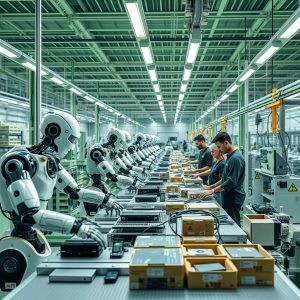
The AI-Powered Circular Economy: Revolutionizing the Refurbished Smartphone Market
The landscape of consumer electronics is undergoing a significant transformation, driven by the convergence of artificial intelligence (AI) and the principles of the circular economy. At the forefront of this revolution is the refurbished smartphone market, which is poised to become a high-tech powerhouse, thanks to AI-driven strategies and sustainable practices.
The Circular Economy and Refurbished Smartphones
The circular economy is a model of production and consumption that aims to eliminate waste and make the most of resources. In the context of consumer electronics, this means designing products for longevity, facilitating their repair and refurbishment, and ensuring their safe disposal at the end of their lifecycle. The refurbished smartphone market is a prime example of this approach in action.
AI-Driven Strategic Sourcing
AI is playing a pivotal role in optimizing the supply chain for refurbished smartphones. By analyzing vast amounts of data, AI algorithms can identify the most efficient sources of refurbished components, ensuring that the highest quality devices are sourced at the lowest cost. This not only reduces the environmental impact of the supply chain but also makes refurbished smartphones more accessible to consumers.
Green Manufacturing
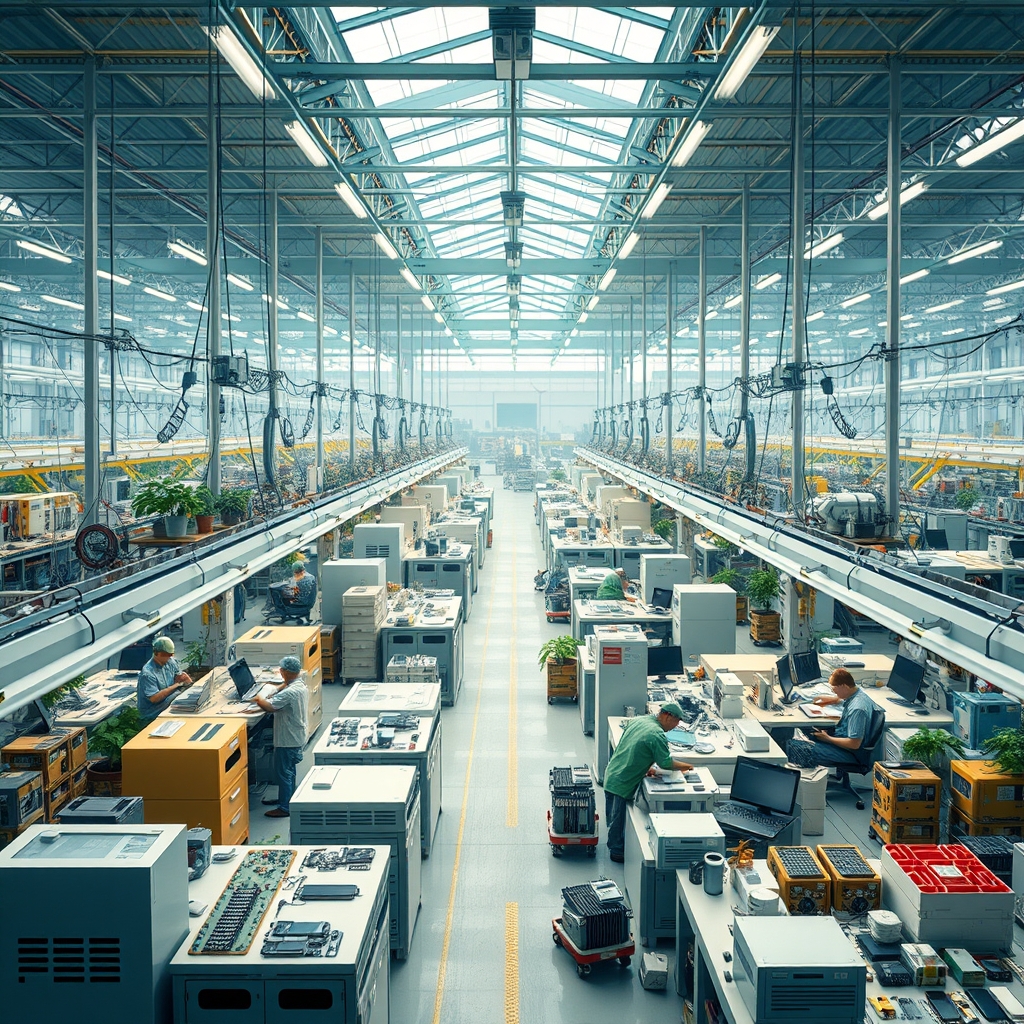
Green manufacturing, or sustainable manufacturing, is another key aspect of the circular economy in consumer electronics. By integrating AI into the manufacturing process, companies can optimize energy consumption, reduce waste, and minimize their carbon footprint. For instance, AI-powered smart factories can monitor and control production processes in real-time, ensuring that resources are used efficiently and sustainably.
Supply Chain Optimization
The supply chain for refurbished smartphones is complex and involves multiple stakeholders, from manufacturers and retailers to recyclers and refurbishers. AI-driven supply chain optimization can help streamline this process, ensuring that products are sourced, manufactured, and delivered in the most efficient and sustainable way possible.
Satellite Communication
Satellite communication is a game-changer in the context of the circular economy. By enabling real-time tracking and monitoring of products throughout the supply chain, satellite communication can help ensure that refurbished smartphones are sourced and delivered in a sustainable manner. This not only reduces the environmental impact of the supply chain but also enhances transparency and accountability.
Near Field Communication
Near Field Communication (NFC) is a short-range wireless connectivity technology that is increasingly being used in consumer electronics. In the context of the circular economy, NFC can be used to facilitate the repair and refurbishment of smartphones. For instance, NFC-enabled devices can be easily identified and tracked throughout the supply chain, making it easier to source and refurbish them.
Premiumization Strategy
The refurbished smartphone market is not just about sustainability; it’s also about premiumization. By leveraging AI and the principles of the circular economy, companies can create high-quality, sustainable smartphones that appeal to a wide range of consumers. This not only drives demand for refurbished devices but also enhances the overall image of the industry.
The future of the refurbished smartphone market is bright, thanks to the power of AI and the principles of the circular economy. By optimizing the supply chain, embracing green manufacturing, and leveraging technologies like satellite communication and NFC, companies can create a sustainable, high-quality market that benefits both consumers and the environment.