
The Invisible Thread: How AI and Near Field Communication Are Weaving Sustainability into Consumer Electronics Logistics
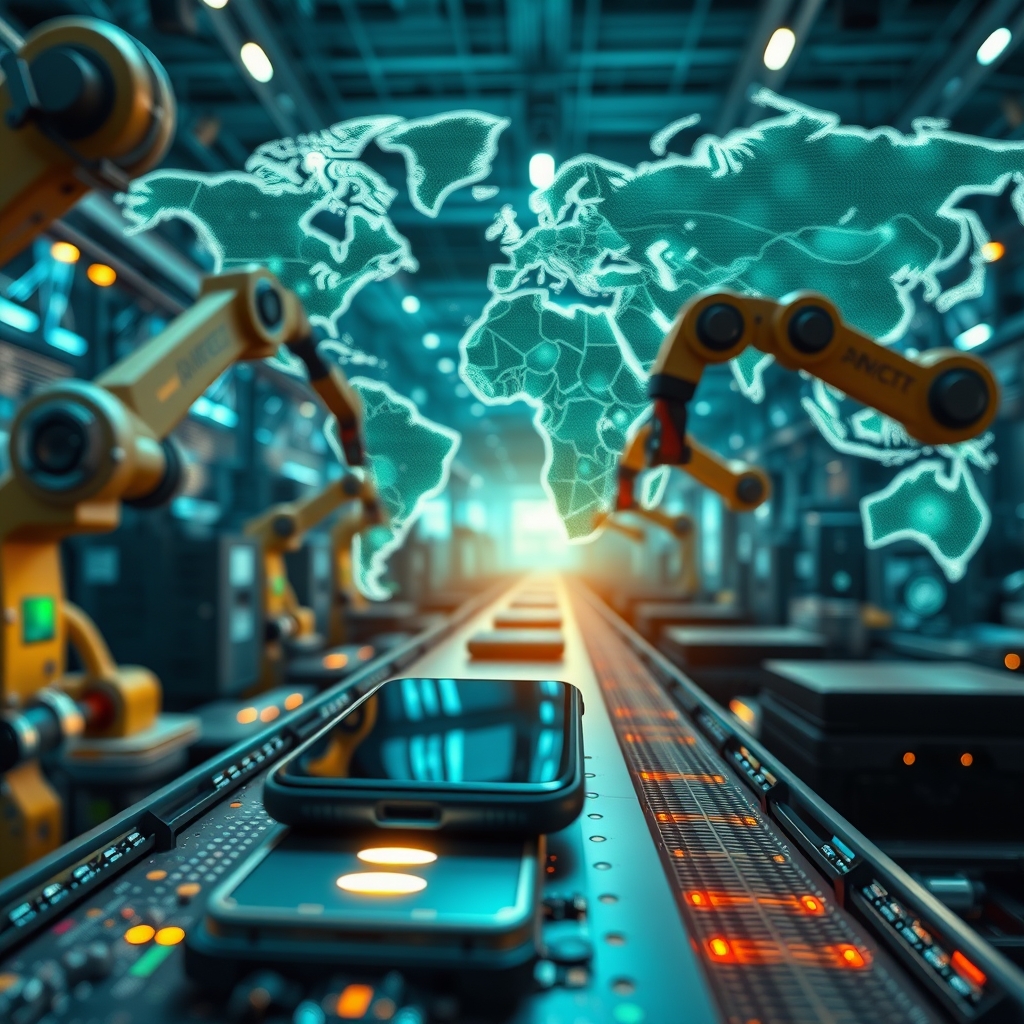
The consumer electronics industry stands at a crossroads, where innovation and sustainability must converge to meet the demands of a rapidly evolving market. At the heart of this transformation lies the integration of Artificial Intelligence (AI) and Near Field Communication (NFC), two technologies that are quietly revolutionizing logistics, supply chain optimization, and the circular economy. Together, they form an invisible thread, stitching together efficiency, transparency, and environmental responsibility in ways previously unimaginable.
The Logistics Revolution: AI and NFC in Harmony
Logistics in consumer electronics has long been a complex web of moving parts—component sourcing, manufacturing, distribution, and end-of-life management. The introduction of AI-driven analytics has already begun to untangle this web, offering real-time insights into demand forecasting, route optimization, and inventory management. However, when paired with NFC, AI transcends its role as a mere analytical tool and becomes a dynamic force for change.
NFC, a short-range wireless technology, enables seamless communication between devices with a simple tap. In logistics, this translates to instant data exchange—tracking shipments, verifying authenticity, and monitoring the condition of goods in transit. When AI processes this data, it can predict potential disruptions, suggest alternative routes, or even flag counterfeit components before they enter the supply chain. The result is a logistics ecosystem that is not only faster but also more resilient and secure.
Transparency as the Cornerstone of Trust
One of the most significant challenges in consumer electronics logistics is ensuring transparency across the global value chain. Consumers and regulators alike are demanding greater visibility into the origins of components, the environmental impact of manufacturing, and the ethical practices of suppliers. AI, combined with NFC, provides a solution by creating an immutable record of every step in the supply chain.
For example, an NFC-enabled tag on a smartphone component can store data about its origin, the materials used, and the carbon footprint of its production. AI can then analyze this data to ensure compliance with sustainability standards, such as those outlined in circular economy principles. This level of transparency not only builds trust with consumers but also empowers companies to make informed decisions about their sourcing and manufacturing practices.
Driving the Circular Economy Forward
The circular economy is built on the principles of reducing waste, reusing materials, and recycling products at the end of their lifecycle. AI and NFC are accelerating this shift by enabling smarter, more sustainable logistics. For instance, AI can optimize the reverse logistics process—returning used devices to refurbishment centers or recycling facilities—by identifying the most efficient routes and methods for collection. NFC, meanwhile, can track the condition of returned devices, ensuring they are properly refurbished or recycled.
In the refurbished smartphone market, this combination is particularly powerful. AI can predict which devices are most likely to be returned, while NFC can verify their condition upon arrival. This not only streamlines the refurbishment process but also ensures that devices are restored to a high standard, extending their lifecycle and reducing electronic waste. The result is a market that is not only more sustainable but also more profitable, as companies can maximize the value of every device they produce.
The Role of Smart Factories in Sustainable Manufacturing
Smart factory automation is another area where AI and NFC are making a significant impact. In a smart factory, AI-driven systems monitor production lines in real time, identifying inefficiencies and suggesting improvements. NFC-enabled tools and components can communicate with these systems, providing data on their usage, condition, and maintenance needs. This level of automation not only increases productivity but also reduces waste by ensuring that resources are used efficiently.
For example, in the production of foldable display technology, AI can optimize the use of materials, reducing scrap and minimizing the environmental impact of manufacturing. NFC can then track these materials throughout the production process, ensuring they are used in the most sustainable way possible. The result is a manufacturing process that is not only more efficient but also more aligned with the principles of green manufacturing.
The Future of Consumer Electronics Logistics
As the consumer electronics industry continues to evolve, the integration of AI and NFC will play an increasingly critical role in shaping its future. These technologies are not just tools for optimization; they are enablers of a more sustainable, transparent, and resilient supply chain. By leveraging AI to analyze data and NFC to facilitate communication, companies can create logistics ecosystems that are not only more efficient but also more aligned with the principles of the circular economy.
The journey toward sustainability in consumer electronics is far from over, but the path is clearer than ever. With AI and NFC leading the way, the industry is poised to transform logistics from a necessary cost center into a strategic advantage—one that drives innovation, reduces waste, and creates value for both businesses and the planet. The invisible thread of technology is weaving a new narrative for consumer electronics, one where sustainability is not just an afterthought but a fundamental pillar of success.



