The Silent Revolution: How AI and Custom Silicon Chips Are Redefining Electronic Waste Management in Smart Factories
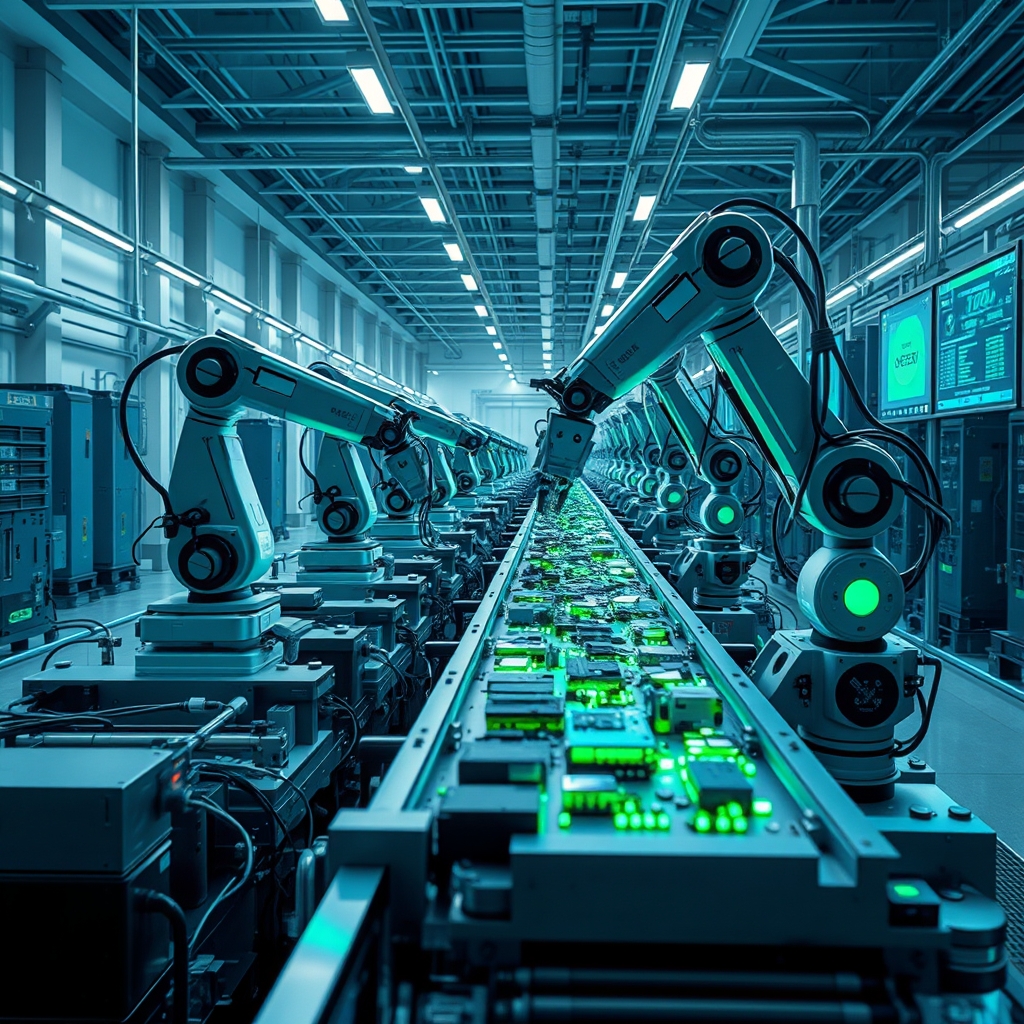
The consumer electronics industry stands at a crossroads, where innovation and sustainability must converge to address one of its most pressing challenges: electronic waste (e-waste). As devices become more sophisticated and their lifecycles shorter, the volume of discarded electronics has reached alarming levels, with over 50 million tons generated globally each year. Yet, amid this crisis, a silent revolution is underway—one powered by artificial intelligence (AI) and custom silicon chips, transforming how smart factories manage e-waste and redefine the circular economy.
The E-Waste Crisis: A Growing Challenge
E-waste is not just an environmental issue; it’s a systemic one. Traditional recycling methods often fail to recover valuable materials efficiently, leading to resource depletion and environmental degradation. The complexity of modern electronics—with their intricate designs and diverse materials—makes disassembly and recycling a daunting task. However, AI-driven solutions are beginning to change the narrative by enabling smarter, more efficient e-waste management processes.
AI-Powered Sorting and Disassembly
One of the most significant breakthroughs in e-waste management is the integration of AI into sorting and disassembly systems. Smart factories equipped with AI-powered robots can now identify, sort, and disassemble electronic components with unprecedented precision. Machine learning algorithms analyze visual and material data to distinguish between different types of metals, plastics, and rare earth elements, ensuring that each component is directed to the appropriate recycling stream. This not only maximizes resource recovery but also reduces the need for virgin materials, lowering the industry’s carbon footprint.
Predictive Analytics for Lifecycle Management
AI’s role in e-waste management extends beyond the recycling floor. Predictive analytics tools are being used to optimize the entire lifecycle of electronic devices, from design to disposal. By analyzing usage patterns and failure rates, AI can forecast when a device is likely to become obsolete or require repairs, allowing manufacturers to proactively manage inventory and reduce waste. This shift toward predictive maintenance and circular design principles ensures that devices are built to last longer and are easier to refurbish or recycle.
Custom Silicon Chips: The Backbone of Sustainable Innovation
While AI provides the intelligence, custom silicon chips are the hardware that makes sustainable e-waste management possible. These tailor-made chips are designed to enhance the efficiency of smart factories, enabling real-time monitoring and automation of recycling processes. Unlike generic processors, custom silicon chips are optimized for specific tasks, such as material identification or robotic disassembly, reducing energy consumption and improving performance.
Energy-Efficient Processing
Custom silicon chips are also playing a crucial role in reducing the energy footprint of smart factories. By optimizing computational processes, these chips minimize power consumption during e-waste sorting and recycling, making the entire operation more sustainable. This is particularly important in regions where energy costs are high or where renewable energy sources are limited, as it allows factories to operate more efficiently without compromising on performance.
Enabling Modular Design
Another advantage of custom silicon chips is their ability to support modular design in consumer electronics. Modular devices, where components can be easily replaced or upgraded, are inherently more sustainable because they extend the lifespan of products. Custom chips facilitate this by ensuring compatibility between different modules, making it easier for consumers to repair or upgrade their devices rather than discarding them. This approach not only reduces e-waste but also aligns with the principles of the circular economy, where products are designed to be reused, refurbished, or recycled.
The Role of Smart Factories in the Circular Economy
Smart factories are at the heart of this transformation, serving as the hubs where AI and custom silicon chips converge to create a closed-loop system for e-waste management. These factories leverage automation, IoT sensors, and AI-driven analytics to streamline every stage of the recycling process, from collection to material recovery. By integrating these technologies, smart factories can achieve near-zero waste production, ensuring that every component is either reused, refurbished, or recycled.
Automated Refurbishment and Remanufacturing
Refurbishment and remanufacturing are key components of the circular economy, and smart factories are making these processes more efficient than ever. AI-powered robots can now assess the condition of returned devices, identify repairable components, and automate the refurbishment process. Custom silicon chips ensure that these refurbished devices meet the same performance standards as new ones, making them a viable alternative for cost-conscious consumers. This not only reduces e-waste but also creates new revenue streams for manufacturers.
Data-Driven Decision Making
The data generated by smart factories is invaluable for driving continuous improvement in e-waste management. AI algorithms analyze this data to identify trends, optimize processes, and predict future challenges. For example, if a particular component is frequently discarded due to design flaws, manufacturers can use this insight to improve future iterations, reducing waste and enhancing sustainability. This data-driven approach ensures that the circular economy is not just a theoretical concept but a practical reality.
As the consumer electronics industry continues to evolve, the integration of AI and custom silicon chips into e-waste management represents a paradigm shift. No longer is sustainability an afterthought—it is now a core component of innovation, driving efficiency, reducing waste, and creating a more resilient supply chain. The silent revolution in smart factories is not just about technology; it’s about reimagining the future of electronics, where every device is designed with its end-of-life in mind, and every material is given a second chance. This is not just a step forward; it’s a leap toward a more sustainable and circular world, where waste is minimized, and resources are maximized for generations to come.