Smart Factory Automation and the Future of Sustainable Consumer Electronics Manufacturing
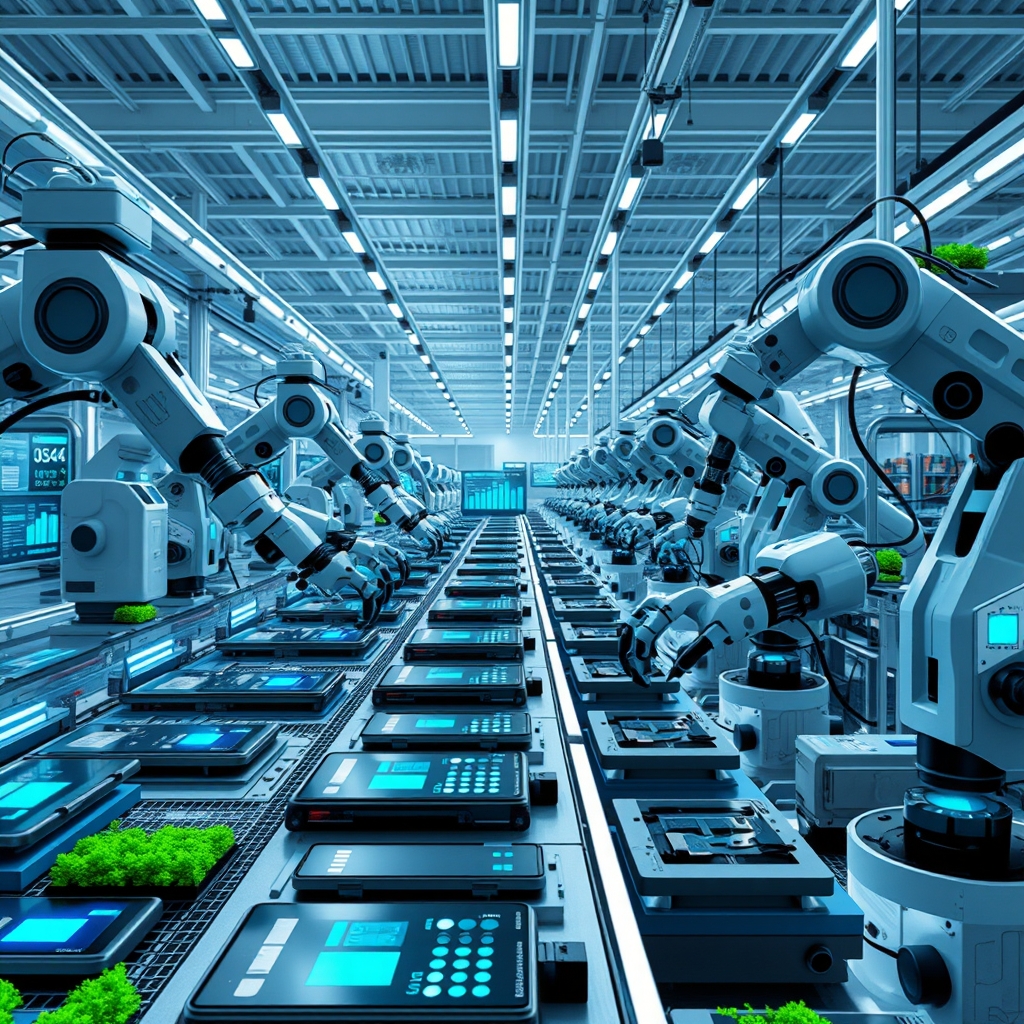
The consumer electronics industry is undergoing a transformative shift, driven by the urgent need for sustainability and the rapid advancement of automation technologies. At the heart of this evolution lies smart factory automation—a convergence of artificial intelligence, IoT, and advanced robotics designed to optimize production, reduce waste, and enhance efficiency. As brands strive to meet the growing demand for eco-friendly products while maintaining profitability, smart factories are emerging as a cornerstone of the next generation of manufacturing.
The Role of AI in Smart Factory Automation
Artificial intelligence is the backbone of smart factory automation, enabling real-time decision-making and predictive maintenance. AI-powered systems analyze vast amounts of data from sensors and production lines to identify inefficiencies, predict equipment failures, and optimize energy consumption. For instance, machine learning algorithms can adjust production schedules dynamically based on demand fluctuations, reducing overproduction and minimizing electronic waste. This level of integration not only enhances operational efficiency but also aligns with the principles of the circular economy by extending the lifespan of manufacturing equipment and reducing resource consumption.
Moreover, AI-driven quality control systems are revolutionizing defect detection. Traditional manual inspections are prone to human error and can be time-consuming, but AI-powered computer vision systems can identify even the smallest defects with unparalleled accuracy. This ensures that only high-quality products reach consumers, reducing the need for recalls and refurbishments while bolstering brand reputation in an increasingly competitive market.
Sustainable Manufacturing Through Automation
Green manufacturing is no longer a niche concept but a necessity for consumer electronics companies aiming to reduce their environmental footprint. Smart factories play a pivotal role in this transition by enabling precise control over energy and material usage. For example, automated systems can optimize the use of raw materials, such as rare earth metals, by minimizing scrap and reusing excess materials in subsequent production cycles. This not only reduces costs but also aligns with global efforts to mitigate the environmental impact of mining and extraction.
Another critical aspect of sustainable manufacturing is energy efficiency. Smart factories leverage IoT-enabled sensors to monitor energy consumption in real time, identifying opportunities to switch to renewable energy sources or implement energy-saving measures. For instance, automated lighting and climate control systems can adjust based on occupancy and production schedules, significantly reducing energy waste. These innovations are particularly impactful in regions where energy costs are high or where regulatory pressures demand lower carbon emissions.
The Impact on Supply Chain Optimization
Smart factory automation extends beyond the factory floor, influencing the entire supply chain. By integrating AI and automation into logistics and inventory management, companies can achieve unprecedented levels of supply chain optimization. Predictive analytics can forecast demand with greater accuracy, allowing manufacturers to adjust production volumes and component sourcing strategies accordingly. This reduces the risk of overstocking or stockouts, both of which can lead to waste and inefficiencies.
Additionally, automation facilitates better coordination between suppliers, manufacturers, and retailers. For example, automated order fulfillment systems can trigger restocking requests based on real-time sales data, ensuring that inventory levels are always aligned with consumer demand. This level of agility is particularly valuable in the consumer electronics industry, where product lifecycles are short, and market trends can shift rapidly. By streamlining the global value chain, smart factories help companies respond more effectively to disruptions, whether caused by geopolitical tensions, natural disasters, or sudden shifts in consumer preferences.
Device Automation and the Rise of Hardware as a Service
The concept of device automation is expanding beyond the factory to include the products themselves. Consumer electronics are becoming increasingly intelligent, with built-in automation features that enhance user experience and prolong product lifespans. For example, smartphones and wearables now incorporate AI-driven battery management systems that optimize power consumption based on usage patterns, reducing the need for frequent charging and extending battery life.
This trend is closely tied to the rise of Hardware as a Service (HaaS), a business model where companies lease or rent hardware to consumers rather than selling it outright. HaaS incentivizes manufacturers to design durable, long-lasting products that can be easily refurbished or upgraded. This not only reduces electronic waste but also creates new revenue streams for companies. For instance, a smartphone manufacturer might offer a subscription service that includes regular hardware upgrades, ensuring that consumers always have access to the latest technology while the company retains control over the product lifecycle.
Challenges and Opportunities Ahead
While the benefits of smart factory automation are clear, its implementation is not without challenges. The initial cost of upgrading to automated systems can be prohibitive for smaller manufacturers, and the transition often requires significant retraining of the workforce. Additionally, the integration of AI and IoT technologies raises concerns about data security and privacy, particularly as factories become more connected and vulnerable to cyber threats.
However, these challenges also present opportunities for innovation. For example, governments and industry consortia can collaborate to provide funding and resources for small and medium-sized enterprises (SMEs) to adopt smart manufacturing technologies. Similarly, advancements in cybersecurity can help protect sensitive data and ensure the integrity of automated systems. As the technology matures, the barriers to entry will likely decrease, making smart factory automation accessible to a broader range of manufacturers.
The future of consumer electronics manufacturing lies in the seamless integration of automation, sustainability, and innovation. Smart factories are not just about increasing efficiency—they represent a fundamental shift in how products are designed, produced, and consumed. By embracing these technologies, companies can reduce their environmental impact, enhance their competitiveness, and meet the evolving demands of consumers who increasingly prioritize sustainability. As the industry continues to evolve, those who lead the charge in smart factory automation will set the standard for the next era of manufacturing, where technology and sustainability go hand in hand to create a more resilient and responsible global value chain.