The Unseen Potential of AI and Custom Silicon Chips in Revolutionizing Electronic Waste Management and Smart Factory Automation
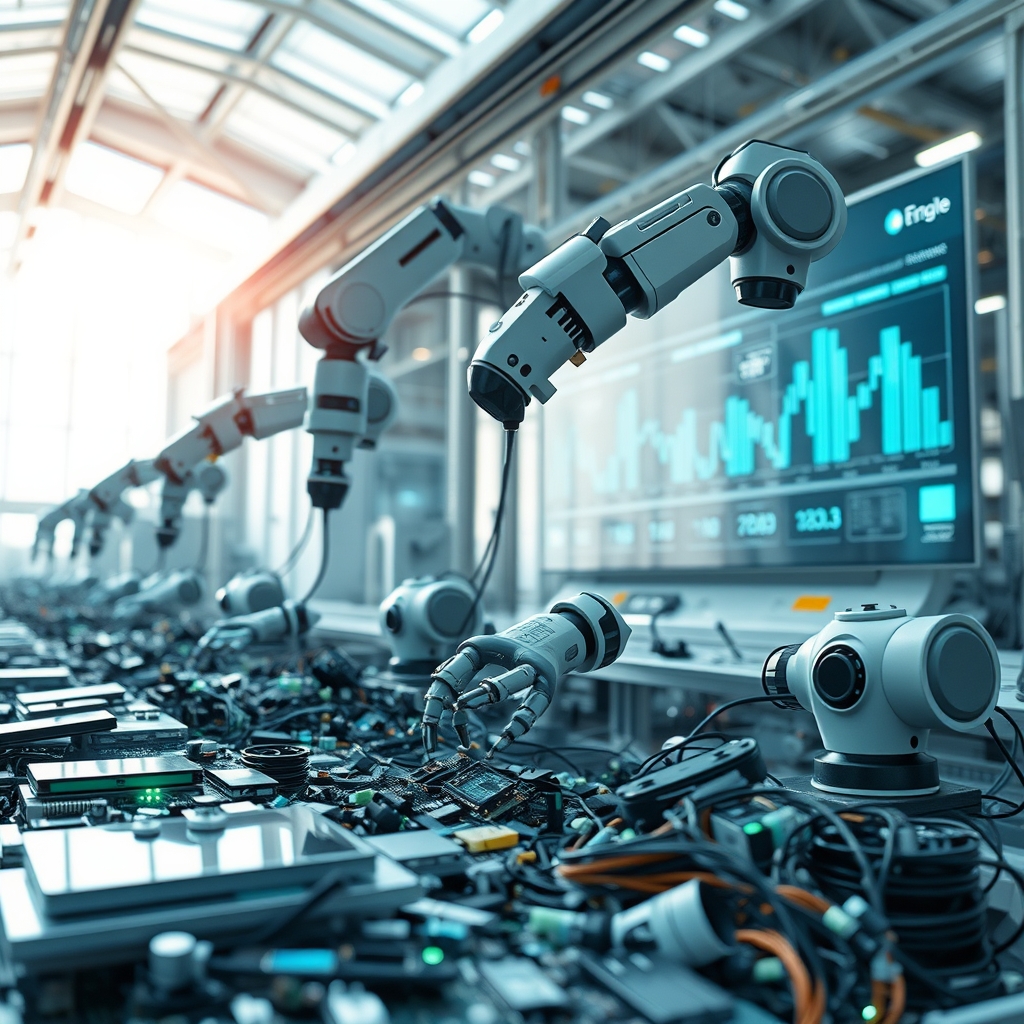
The consumer electronics industry stands at a crossroads, where innovation and sustainability must converge to address the growing challenge of electronic waste (e-waste). As devices become more advanced and ubiquitous, the environmental impact of their lifecycle—from production to disposal—demands urgent attention. The integration of artificial intelligence (AI) and custom silicon chips is emerging as a transformative force, not only in enhancing the performance of smart factories but also in redefining how e-waste is managed, recycled, and repurposed within a circular economy framework.
The E-Waste Crisis: A Call for Smarter Solutions
Every year, millions of tons of electronic waste are generated globally, with only a fraction being properly recycled. The rest often ends up in landfills, where toxic materials like lead, mercury, and cadmium leach into the soil and water, posing severe environmental and health risks. Traditional e-waste management methods, while well-intentioned, are often inefficient, labor-intensive, and unable to keep pace with the rapid evolution of consumer electronics. This is where AI-driven solutions step in, offering a way to automate, optimize, and scale e-waste processing with unprecedented precision.
AI-powered sorting systems, for example, can analyze and categorize e-waste at speeds and accuracies far beyond human capabilities. Using computer vision and machine learning, these systems can identify and separate valuable materials like gold, silver, and rare earth metals from discarded devices, ensuring they are recovered and reused. This not only reduces the environmental footprint of mining new materials but also creates a more sustainable supply chain for future electronics.
Custom Silicon Chips: The Backbone of Smart Factory Automation
At the heart of this transformation lies custom silicon chips, designed specifically to meet the unique demands of smart factory automation. Unlike generic processors, these chips are optimized for tasks such as real-time data processing, predictive maintenance, and adaptive manufacturing. Their integration into smart factories enables a level of efficiency and flexibility that was previously unattainable, allowing manufacturers to respond dynamically to changes in demand, supply chain disruptions, or production anomalies.
For instance, custom silicon chips can power AI-driven robotic systems that assemble, disassemble, and refurbish electronic devices with minimal human intervention. These systems can adapt to different product designs, reducing the need for retooling and minimizing downtime. Moreover, they can monitor the health of machinery in real time, predicting failures before they occur and preventing costly breakdowns. This not only enhances productivity but also extends the lifespan of manufacturing equipment, aligning with the principles of the circular economy.
Bridging the Gap Between E-Waste and Smart Manufacturing
The synergy between AI and custom silicon chips is particularly evident in the refurbishment and recycling of electronic devices. Smart factories equipped with these technologies can process returned or discarded devices, extracting reusable components and materials with remarkable efficiency. AI algorithms can assess the condition of a device, determine its refurbishment potential, and even suggest design modifications to improve its longevity. This creates a closed-loop system where materials are continuously cycled back into production, reducing the need for virgin resources and lowering the overall environmental impact.
One of the most promising applications of this technology is in the refurbished smartphone market. AI-driven diagnostics can quickly evaluate the functionality of a used smartphone, identifying components that can be reused or recycled. Custom silicon chips, meanwhile, enable the rapid reprogramming and reconfiguration of devices, ensuring they meet modern performance standards. This not only makes refurbished devices more appealing to consumers but also significantly reduces the e-waste generated by the industry.
The Role of Strategic Sourcing and Green Manufacturing
To fully realize the potential of AI and custom silicon chips in e-waste management, strategic sourcing and green manufacturing practices must be prioritized. Strategic sourcing involves selecting suppliers and materials that align with sustainability goals, such as those offering recycled or ethically sourced components. AI can play a crucial role here by analyzing supplier data, predicting market trends, and identifying opportunities for cost savings and environmental benefits.
Green manufacturing, on the other hand, focuses on reducing the environmental impact of production processes. This includes minimizing energy consumption, reducing waste, and using eco-friendly materials. Custom silicon chips can optimize these processes by enabling real-time monitoring and control of energy use, water consumption, and emissions. For example, AI-driven systems can adjust manufacturing parameters on the fly to minimize energy waste, while custom chips ensure these adjustments are executed with precision.
Overcoming Challenges and Embracing the Future
Despite the clear benefits, the widespread adoption of AI and custom silicon chips in e-waste management and smart factory automation is not without challenges. High initial costs, technical complexities, and the need for specialized expertise can be barriers for many manufacturers. Additionally, there are concerns about data security and the ethical implications of AI-driven decision-making. However, as technology advances and economies of scale are achieved, these challenges are likely to diminish.
Collaboration between industry stakeholders, policymakers, and technology providers will be essential in driving this transition. Governments can incentivize sustainable practices through regulations and subsidies, while companies can invest in research and development to create more accessible and affordable solutions. Consumers, too, have a role to play by demanding transparency and sustainability in the products they purchase.
The integration of AI and custom silicon chips into e-waste management and smart factory automation represents a paradigm shift in how we approach sustainability in the consumer electronics industry. By harnessing the power of these technologies, we can create a future where electronic devices are not only smarter and more efficient but also kinder to the planet. The journey toward a circular economy is complex, but with innovation and collaboration, it is a goal well within our reach. The choices we make today will determine whether we leave a legacy of waste or one of sustainability for generations to come.