
The Role of Custom Silicon Chips in Revolutionizing Smart Factory Automation and Green Manufacturing
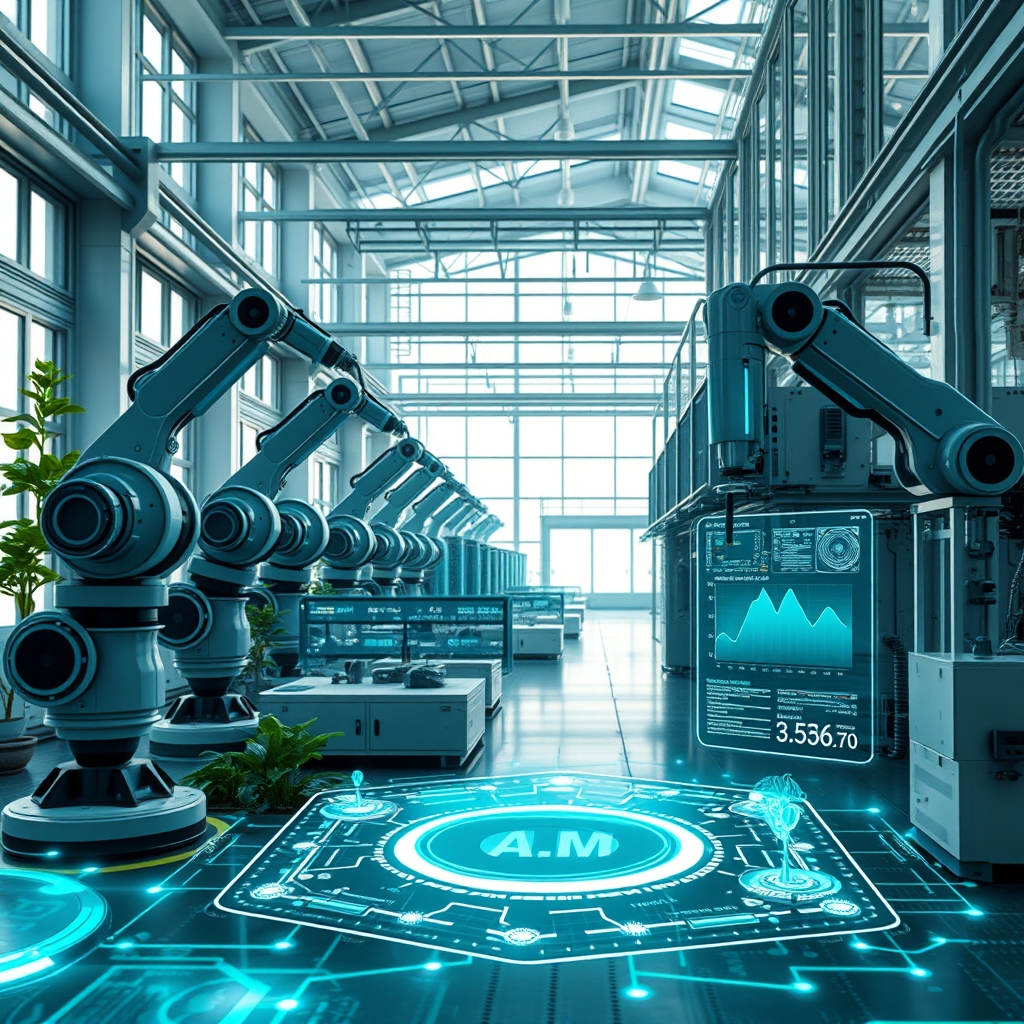
In the rapidly evolving landscape of consumer electronics, the push for sustainability and efficiency has never been more critical. At the heart of this transformation lies the integration of custom silicon chips, which are redefining the paradigms of smart factory automation and green manufacturing. These tailored hardware solutions are not just enhancing performance but are also paving the way for a more sustainable and circular economy.
The Rise of Custom Silicon Chips
Custom silicon chips, designed to meet specific needs of devices and systems, are increasingly becoming the backbone of modern consumer electronics. Unlike generic chips, these bespoke solutions offer optimized performance, reduced power consumption, and enhanced functionality. Companies like Apple, with their M-series chips, and Google, with their Tensor processors, have demonstrated how custom silicon can deliver unparalleled efficiency and innovation. This trend is not limited to high-end devices; it is permeating through various sectors, including smart factory automation.
Performance and Efficiency
One of the most significant advantages of custom silicon chips is their ability to deliver superior performance while consuming less power. This is particularly crucial in smart factories, where automation systems require robust and efficient processing capabilities. Custom chips can be designed to handle specific tasks, such as real-time data analysis, machine learning, and predictive maintenance, with greater efficiency than off-the-shelf alternatives. This not only boosts productivity but also reduces energy consumption, aligning with the goals of green manufacturing.
Enhanced Security and Reliability
In an era where cyber threats are a constant concern, custom silicon chips offer enhanced security features tailored to specific applications. These chips can incorporate advanced encryption and secure boot mechanisms, ensuring that automated systems in smart factories are protected against potential breaches. Moreover, the reliability of custom chips is often higher, as they are designed to operate under specific conditions and workloads, reducing the risk of failures and downtime.
Smart Factory Automation: A New Era
Smart factory automation is revolutionizing the manufacturing landscape by integrating advanced technologies such as the Internet of Things (IoT), artificial intelligence (AI), and machine learning. Custom silicon chips play a pivotal role in this transformation by providing the necessary computational power and efficiency to drive these technologies.
Real-Time Data Processing
In smart factories, real-time data processing is essential for monitoring and optimizing production processes. Custom silicon chips enable faster and more efficient data analysis, allowing manufacturers to make informed decisions on the fly. This real-time capability is crucial for predictive maintenance, quality control, and supply chain optimization, ensuring that factories operate at peak efficiency.
AI and Machine Learning Integration
The integration of AI and machine learning in smart factories is unlocking new levels of automation and intelligence. Custom silicon chips, optimized for AI workloads, can accelerate machine learning algorithms, enabling factories to predict equipment failures, optimize energy usage, and improve overall productivity. This not only enhances operational efficiency but also contributes to sustainability by reducing waste and energy consumption.
Green Manufacturing: A Sustainable Future
Green manufacturing is no longer a buzzword but a necessity in today’s world. The consumer electronics industry, known for its significant environmental footprint, is increasingly adopting sustainable practices. Custom silicon chips are at the forefront of this shift, enabling manufacturers to reduce their environmental impact while maintaining high levels of performance and innovation.
Energy Efficiency
One of the primary benefits of custom silicon chips in green manufacturing is their energy efficiency. These chips are designed to perform specific tasks with minimal power consumption, reducing the overall energy requirements of manufacturing processes. This not only lowers operational costs but also decreases the carbon footprint of factories, contributing to a more sustainable future.
Reducing Electronic Waste
Electronic waste (e-waste) is a growing concern, with millions of tons of discarded electronics ending up in landfills each year. Custom silicon chips can help mitigate this issue by extending the lifespan of devices and improving their recyclability. By designing chips that are more durable and easier to recycle, manufacturers can reduce the amount of e-waste generated and promote a circular economy.
Sustainable Supply Chain
The adoption of custom silicon chips also has a ripple effect on the supply chain. By optimizing component sourcing and reducing the need for generic, mass-produced chips, manufacturers can minimize waste and improve the sustainability of their supply chains. This strategic sourcing approach not only benefits the environment but also enhances the resilience and efficiency of the global value chain.
As the consumer electronics industry continues to evolve, the role of custom silicon chips in driving smart factory automation and green manufacturing cannot be overstated. These tailored hardware solutions are not just enhancing performance and efficiency but are also paving the way for a more sustainable and circular economy. By embracing custom silicon chips, manufacturers can unlock new levels of innovation, reduce their environmental impact, and build a future where technology and sustainability go hand in hand. The journey towards a greener and more efficient manufacturing landscape is well underway, and custom silicon chips are leading the charge.