The Future of Consumer Electronics: AI and the Circular Economy
The landscape of consumer electronics is undergoing a significant transformation, driven by the convergence of Artificial Intelligence (AI) and the principles of the circular economy. This dynamic duo is not only reshaping the way we interact with devices but also revolutionizing the entire lifecycle of consumer electronics, from production to disposal.
AI-Driven Supply Chain Optimization
At the heart of this transformation lies AI-driven supply chain optimization. By leveraging machine learning algorithms, companies can predict demand, optimize inventory, and streamline logistics. This not only reduces waste but also ensures that components are sourced responsibly, further aligning with the circular economy’s principles of reduce, reuse, and recycle.
Strategic Sourcing and Green Manufacturing
Strategic sourcing plays a pivotal role in this ecosystem. Companies are increasingly turning to refurbished components and sustainable materials, thanks to AI’s ability to track and analyze the environmental impact of sourcing decisions. Green manufacturing, another key aspect, involves the use of eco-friendly processes and materials. AI helps in monitoring and optimizing these processes, ensuring minimal environmental footprint.
Smart Factory Automation
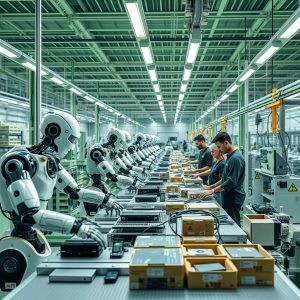
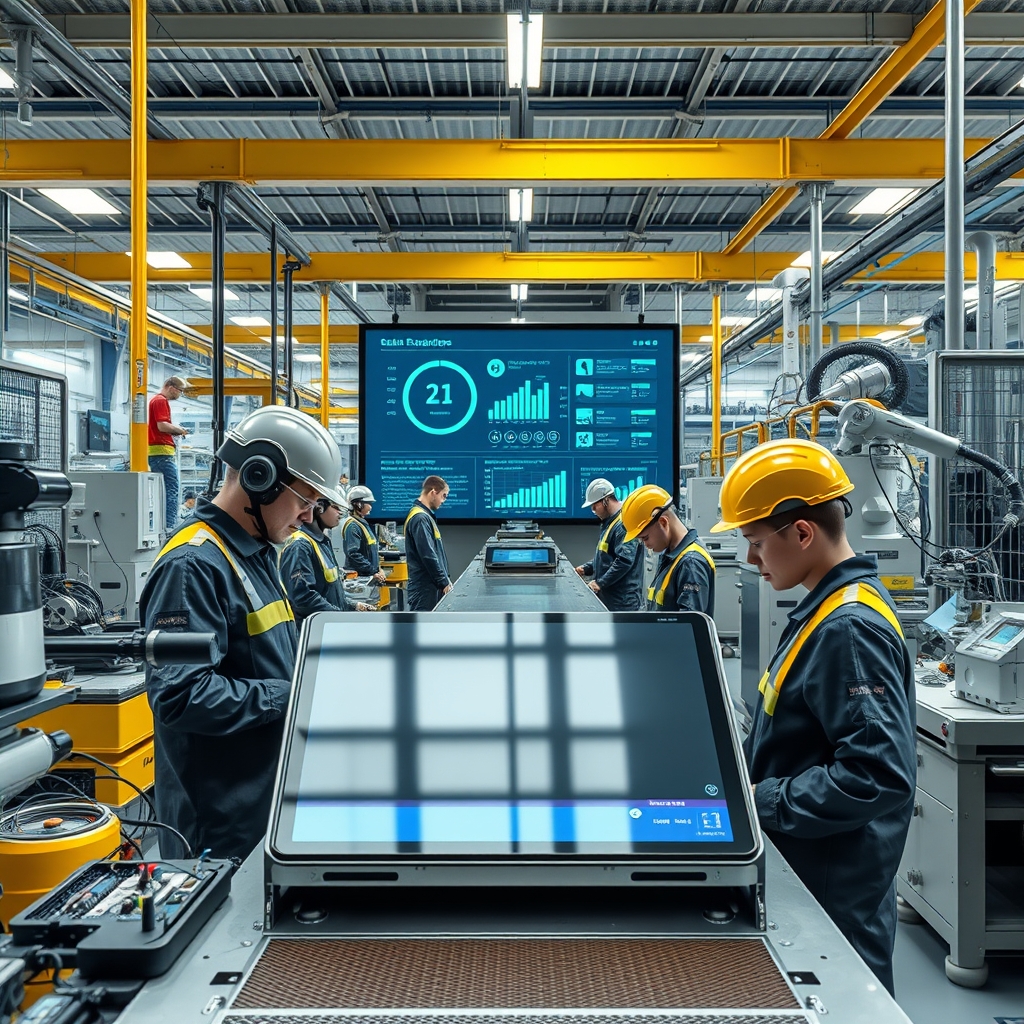
Smart factory automation, powered by AI, is another game-changer. It enables real-time monitoring and control of manufacturing processes, leading to increased efficiency and reduced waste. Moreover, it facilitates the integration of refurbished components into new devices, thereby extending their lifecycle and reducing the need for new raw materials.
Sustainable Packaging and Device Automation
Sustainable packaging is a critical area where AI is making a significant impact. By analyzing consumer behavior and environmental data, AI can help design packaging that is not only eco-friendly but also meets consumer expectations. Device automation, on the other hand, involves the use of AI to automate the repair and refurbishment of devices, further extending their lifecycle.
Electronic Waste Management
Electronic waste management is a complex challenge, but AI is proving to be a valuable tool in addressing it. By analyzing data on device usage and wear, AI can help predict when a device will reach the end of its lifecycle. This information can then be used to design more sustainable devices and to optimize the refurbishment and recycling processes.
Custom Silicon Chips and Generative AI Hardware
Custom silicon chips and generative AI hardware are at the forefront of this revolution. These technologies enable the creation of more efficient, sustainable devices. They also facilitate the integration of AI into consumer electronics, opening up new possibilities for device functionality and user experience.
The future of consumer electronics is bright, thanks to the synergy between AI and the circular economy. As these technologies continue to evolve and mature, we can expect to see even more innovative and sustainable solutions emerge. The key to unlocking this potential lies in our ability to harness the power of AI and apply it in a way that aligns with the principles of the circular economy. This will not only benefit the environment but also drive innovation and create new business opportunities.